Irish Pubs Forced to End Informal Betting as Regulators Close Loophole
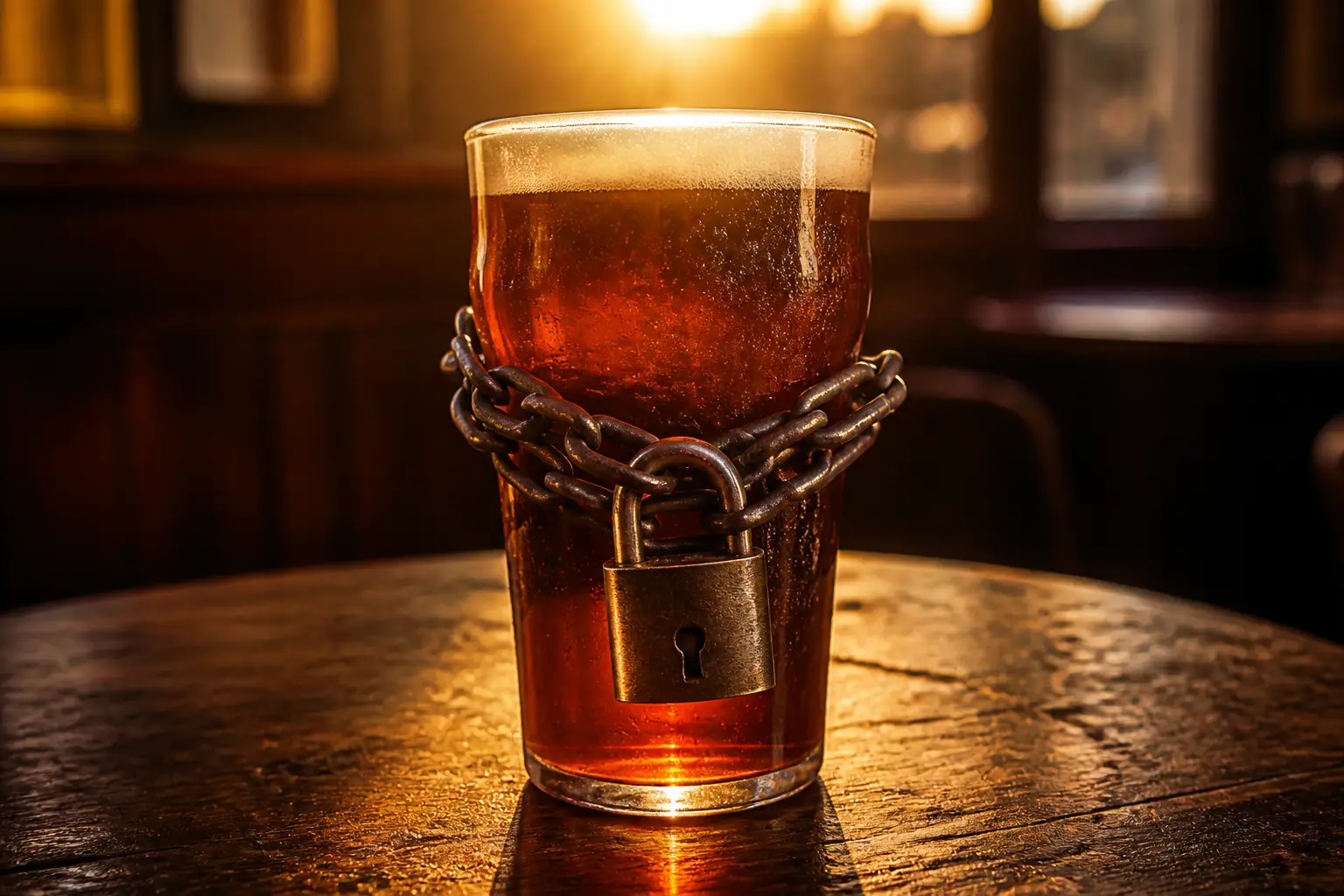 AI-GENERATED
Irish authorities have terminated long-standing informal betting in pubs to fight money laundering. One operator alone served 400 bars with betting systems.
For decades, placing a bet with the barman was a staple of Irish rural life. However, this informal tradition has been abruptly halted as regulators crack down on long-running loopholes. The practice allowed customers to place wagers through accounts held by the pub, with the publican taking a commission of around 10 percent on losing bets. Authorities now view this as a significant risk for money laundering, as it obscures the identity of the person actually supplying the cash. By acting as unlicensed intermediaries, publicans were effectively operating outside the reach of modern financial oversight, a gap the new regulator is determined to close.
The scale of this shadow market was considerable. One service provider alone supported roughly 400 bars across Ireland, providing dedicated television systems for live odds and betting infrastructure. These services are now being withdrawn as betting companies fear massive penalties. The move follows investigations by the Gardaí, particularly in the Midlands, where wagers of 10,000 euros were discovered being funneled through pub accounts. Such large sums on short-priced favorites are classic indicators of money laundering, designed to turn criminal proceeds into legitimate-looking gambling payouts.
Numbers and facts
The shift in enforcement began on February 5 of this year, when responsibility moved from Revenue to the newly established Gambling Regulatory Authority of Ireland. The legal framework provided by the Gambling Regulation Act 2024 is formidable. Operating as an unlicensed betting intermediary can lead to five years in prison, while running an unlicensed bookmaking operation carries a potential eight-year sentence. For licensed operators who facilitate these pub accounts, financial penalties can reach a staggering 20 million euros. Furthermore, new rules dictate that any customer collecting winnings of 2,000 euros or more must provide a passport or driving license along with proof of address.
Background
This informal system survived for so long because it filled a logistical gap for people in remote areas far from licensed bookmakers. It was a matter of convenience that blurred the lines of legality. Organizations like the Licensed Vintners Association and the Vintners’ Federation of Ireland have been forced to notify their members that these practices must stop immediately. For many publicans, this means losing a small but vital revenue stream in an industry where margins are already under pressure. However, the priority for the state is now ensuring that every euro wagered can be traced back to its rightful owner to comply with international anti-money laundering standards.
"Breaches can expose operators to financial penalties reaching €20 million, while serious offences can carry prison terms of as much as eight years." - Excerpt from the new regulatory guidelines.
Why it matters for German players
In Germany, such informal arrangements are non-existent due to the strict requirements of the State Treaty on Gambling 2021 (GlüStV 2021). While Ireland is currently catching up with stricter controls, Germany already utilizes the LUGAS system to monitor every transaction. The cross-operator deposit limit of 1,000 euros per month in Germany makes the kind of 10,000-euro pub bets seen in Ireland impossible for recreational players. For German residents, this ensures a high level of protection against fraud and financial crime. The 1-euro stake limit per spin on virtual slots further differentiates the German regulated market from the more loosely managed systems currently being reformed in Ireland.
What it means for GGL-licensed casinos
For players using GGL-licensed casinos, the Irish situation serves as a reminder of why strict regulation is beneficial. Licensed German operators must adhere to rigorous Know Your Customer (KYC) protocols, ensuring that all funds are legitimate. This level of transparency, which was lacking in the Irish pub betting system, protects players from legal risks. Those who choose to play at offshore sites (MGA or Curacao) lose these protections and participate in environments that regulators worldwide are increasingly targeting. The GGL whitelist remains the only safe harbor for German players seeking fair play and guaranteed payouts in a fully transparent environment.
Frequently asked questions
Why was informal betting banned in Irish pubs?
Regulators feared the system was being used for money laundering. Since publicans acted as middlemen, it was difficult to verify where the money came from and who was actually gambling.
What are the penalties for illegal betting in Ireland?
Operators can face fines of up to 20 million euros. Individuals involved in unlicensed betting intermediation can face prison sentences of five to eight years.
What must Irish punters do now?
Players must set up their own online accounts or visit licensed betting shops. For winnings over 2,000 euros, they are now required to provide photo identification and proof of address.
Is informal pub betting allowed in Germany?
No, German law is much stricter. All gambling must be conducted through licensed providers connected to the central LUGAS monitoring system to prevent fraud.
How safe is gambling with GGL-licensed providers?
Providers on the GGL whitelist offer the highest security through mandatory ID verification and deposit limits. This ensures all transactions are transparent and players are protected from criminal activity.
Share
About the author

Lisa Lustich
Editor-in-chief & casino tester
Lisa Lustich has been testing German-language online casinos since 1997 and runs the Lustich.de newsroom. More than 400 published reviews, certified player-protection advisor (BZgA training, 2019).
All articles by Lisa Lustich →Sources & further reading
Whitelist of permitted online operators
Editorial guidelines Lustich.de
BZgA problem-gambling helpline: 0800 1 372 700
Gambling can be addictive. Please play responsibly. Help and counselling at 0800 1 372 700 (BZgA, free & anonymous).
Related topics
Further Reading
 AI-GENERATED
Namibia Gambling Board Invites Tenders for Real-Time Monitoring Systems
Namibia is modernizing its betting industry with new electronic monitoring and licensing systems. The government targets over N$100 million in revenue by 2030.
 AI-GENERATED
Malta Gaming Authority Launches First AI Gaming Charter for Licensees
The MGA introduces a new framework for artificial intelligence in gambling. While many firms lack formal strategies, the charter demands transparency in player protection.
 AI-GENERATED
Kyrgyzstan Bans Binary Options: Crackdown on Illegal Financial Betting
Kyrgyzstan is moving to completely block binary options platforms and their advertising. Violators face fines up to 100,000 KGS and potential prison time.