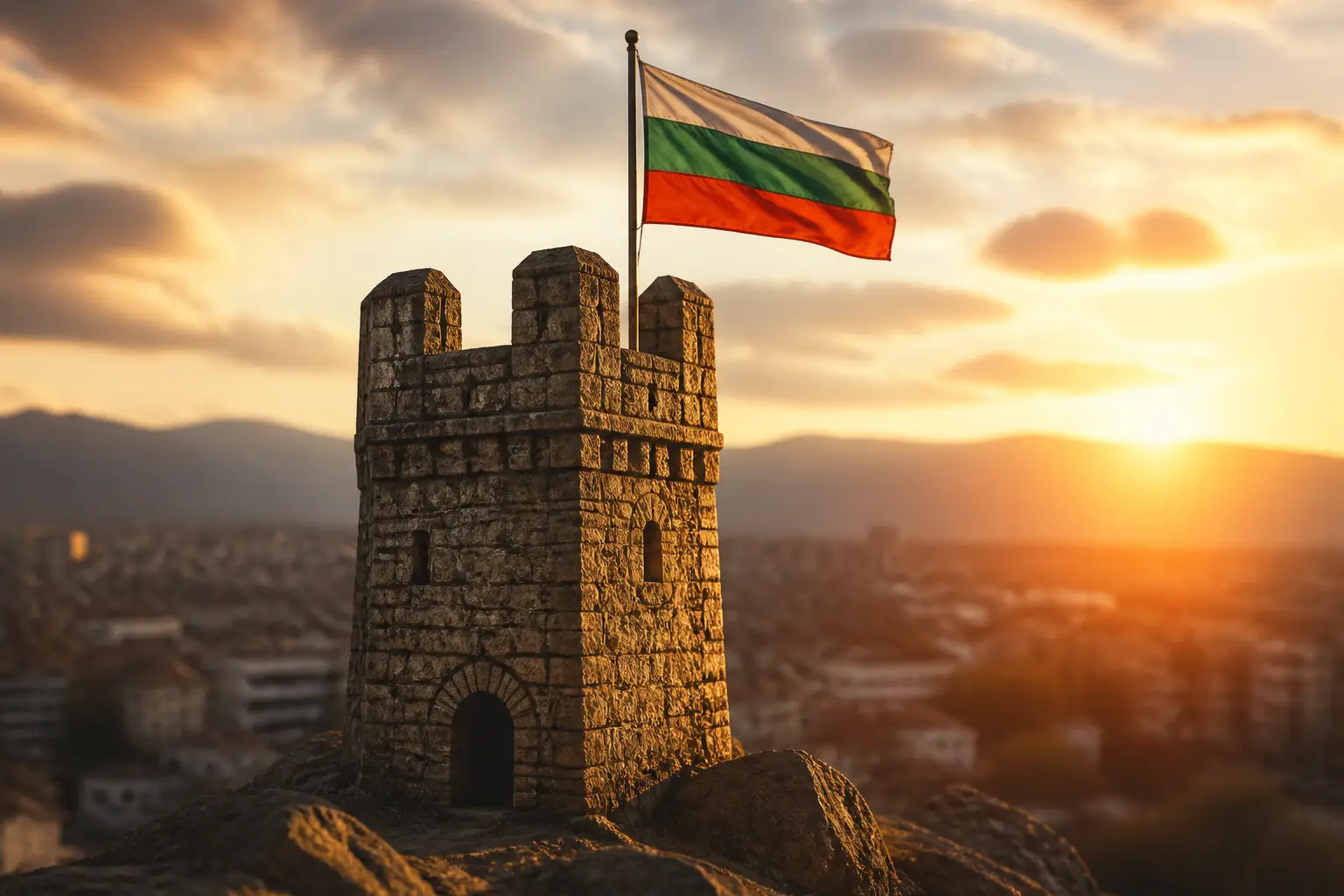
Laos Casino Feud: US Court Rules Government Can Chase Investors for $5 Million
 AI-GENERATED
A US appeals court has revived a 14-year legal battle. Laos is seeking $5 million from American investors John K. Baldwin and Bridge Capital.
Justice moves slowly in the world of international gaming investments, especially when a one-party Communist state is pitted against American entrepreneurs. In a significant development, a US appeals court has ruled that the government of Laos may proceed with its attempts to collect more than $5 million from the businessmen behind a failed casino venture. The dispute, which has spanned 14 years, has now reached a new phase in the United States legal system.
At the heart of the case are John K. Baldwin and Shawn Scott, who entered Laos in 2007 with ambitious plans for the region's gambling market. With an initial commitment of approximately $7.5 million, they established Sanum Investments and developed the Savan Vegas resort near the Friendship Bridge on the Mekong River. However, the partnership with the local ST Group quickly disintegrated, leading to a decade of litigation and international arbitration.
Numbers and facts
The financial claims by the Laotian government stem from three separate arbitration awards granted over the past decade. In 2019, one tribunal found that Lao Holdings had acted in bad faith and ordered it to pay $1.95 million. A second award against Sanum Investments totaled $1.78 million, while a third arbitration added nearly $1.3 million in legal costs. In total, Laos is seeking to recover more than $5 million that has remained unpaid for seven years.
David Branson, the attorney representing Laos, expressed optimism following the September 17 ruling by the Ninth US Circuit Court of Appeals. He noted that the decision cleared a "path to recovery" for the government. The court reversed a lower court's decision that had protected Baldwin and Bridge Capital on the grounds that they were not personally named in the original arbitration. Now, a lower court must hear arguments on whether these individuals effectively controlled the companies and should be held responsible for their debts.
Background
The saga of the US investors in Laos serves as a cautionary tale for the global gaming industry. After Savan Vegas became a success, Sanum and Lao Holdings accused the government in 2012 of trying to seize their business through excessive taxation and interference. A settlement reached in 2014 failed to hold, leading both parties back to the courtroom. Ultimately, the arbitrators sided mostly with Laos, citing bad faith on the part of the investor-controlled companies.
Shawn Scott and John K. Baldwin are well-known figures in the casino world, often associated with high-stakes ventures and subsequent legal challenges. While their second planned resort, Paksong Vegas, was never built, the region remains a hotspot for both legal and illegal gambling activities. For instance, in June 2026, Vietnamese authorities dismantled a massive online gambling ring operating from Laos that processed $1.5 million in daily transactions.
„The government has been trying to collect the awards for more than seven years and said the latest ruling had cleared a path to recovery." - David Branson, Attorney for the Laotian Government
Why it matters for German players
For players in Germany, this case emphasizes the critical importance of legal certainty. Gambling in casinos licensed in offshore jurisdictions like Laos or Curacao leaves players in a legal vacuum. If a dispute over winnings arises, enforcing a claim can take decades, as demonstrated by the Laotian government's struggle. The lack of a robust regulatory framework in these regions means there is little to no protection for the individual player.
In contrast, the German Interstate Treaty on Gambling 2021 (GlüStV 2021) provides a comprehensive safety net. Only operators on the official GGL whitelist are legal and subject to strict oversight. This includes the mandatory €1,000 monthly deposit limit and the €1 per spin limit on slots. The LUGAS system ensures these limits are enforced across all platforms. Playing at a GGL-licensed casino ensures that winnings are guaranteed and the German legal system is available for recourse.
What it means for GGL-licensed casinos
Licensed German operators benefit from the contrast provided by such international legal battles. The stability of the German market, while highly regulated, offers a level of security that attracts responsible players. While international tribunals deal with million-dollar bad-faith claims in Laos, the GGL ensures fair play and consumer protection. Operators who fail to comply risk losing their license immediately. This regulatory clarity prevents the kind of long-term legal warfare seen in the Savan Vegas case, protecting both the industry's reputation and its customers.
Frequently asked questions
Why is Laos suing US investors in a US court?
Laos is attempting to enforce international arbitration awards because the investors, John K. Baldwin and Shawn Scott, are US citizens. Since the funds have not been paid voluntarily, the government must use the legal system in the defendants' home country to seize assets.
What was the original dispute over the Savan Vegas casino about?
The US investors accused Laos of trying to force them out of a successful business through unfair taxes. Laos countered that the investors violated treaties and acted in bad faith, a view that was eventually upheld by international arbitration tribunals.
How much money is the Laotian government seeking?
The total amount exceeds $5 million. This includes $1.95 million from Lao Holdings, $1.78 million from Sanum Investments, and an additional $1.3 million in legal and arbitration expenses.
How does this case relate to the legal situation for players in Germany?
It highlights the risks of playing in unregulated or poorly regulated markets. German players are protected by the GGL and the GlüStV 2021, which provide clear legal pathways and player protections that do not exist in offshore jurisdictions.
Share
About the author

Lisa Lustich
Editor-in-chief & casino tester
Lisa Lustich has been testing German-language online casinos since 1997 and runs the Lustich.de newsroom. More than 400 published reviews, certified player-protection advisor (BZgA training, 2019).
All articles by Lisa Lustich →Sources & further reading
Whitelist of permitted online operators
Editorial guidelines Lustich.de
BZgA problem-gambling helpline: 0800 1 372 700
Gambling can be addictive. Please play responsibly. Help and counselling at 0800 1 372 700 (BZgA, free & anonymous).
Related topics
Further Reading
 AI-GENERATED
African Lotteries and Gaming Association launches first continental Ombudsman
The African Lotteries and Gaming Association (ALGA) has established a new Ombudsman to provide independent dispute resolution, marking a historic first for the continent's industry.
 AI-GENERATED
Lawrence Ho Transfers 26.44M Melco Resorts Shares into Private Trust
Melco Resorts CEO Lawrence Ho moved shares worth millions into a managed trust. His stake decreased from 58.5% to 56.3% following the transfer.
 AI-GENERATED
Human Trafficking Victims Rescued at Four Winds Casino South Bend
A joint operation by the FBI and state police rescued three human trafficking victims at an Indiana casino. Authorities warn of increasing targets among vulnerable groups.