Intelligence Breach on Polymarket: Israeli Major Arrested for Betting on Military Strikes
 AI-GENERATED
An Israeli Air Force major has been detained for allegedly using classified intelligence to profit from bets on the Polymarket platform, netting over $160,000.
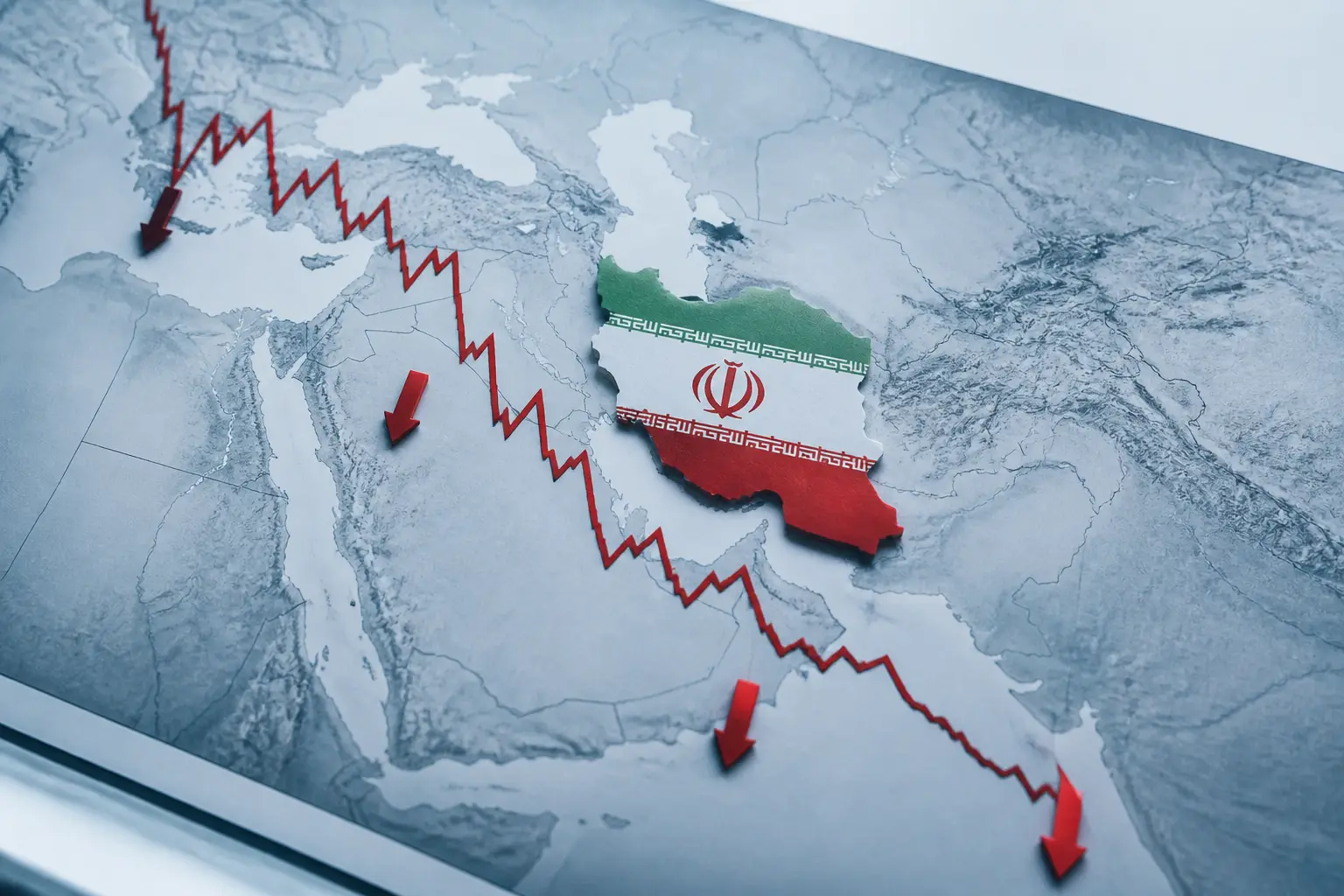
In the world of decentralized prediction markets, there are usually no limits to what one can bet on. However, when military personnel use their insider knowledge to wager on the start of wars or airstrikes, they cross a dangerous line. A current case from Israel is currently shaking trust in security apparatuses. A major in the Israeli Air Force (IAF) was arrested for allegedly using sensitive information about upcoming operations in Iran and Yemen to generate profits on the Polymarket platform. It is not the first incident of its kind, but it shows an alarming systematic pattern.
Investigators accuse the officer of massively abusing the trust of his unit. Polymarket is considered the world's largest decentralized prediction market, where users trade shares in the outcomes of real-world events. While many see this as a tool for more precise forecasting than traditional polls, others apparently use the platform for illegal insider trading. In the current case, the major is even alleged to have accepted bribes and obstructed justice. Israeli authorities, including the Shin Bet domestic security agency and the Israel Police, worked closely together to uncover the criminal network within the army.
Numbers and facts
The details of the case are alarming. The major was informed of the plans a day before a major military operation began on June 13. He immediately passed this information on to a civilian accomplice. When fighter jets were already en route to their targets in Iran, the civilian placed the bet on the exact timing. This targeted use of classified knowledge paid off: the duo pocketed a profit of $162,663. The money was then split equally between the officer and the civilian. To cover their tracks, they used digital wallets and cryptocurrencies.
Another incident concerns an attack in Yemen in September 2025. Here, too, information flowed in advance, which brought the parties involved profits in the thousands of dollars. Particularly explosive is a statement from a similar trial in May, in which another officer claimed that gambling was widespread within the Air Force.
"The entire Israel Air Force is involved in gambling." - Unknown officer, statement during defense in court
Background
Polymarket is increasingly under international scrutiny. The White House already warned its employees in April against using insider knowledge for bets on the platform. Two bills are currently pending in the US Congress that seek to ban such bets on geopolitical events. For example, an anonymous user won nearly $200,000 when he bet on a combined US-Israeli attack on Iran on February 28, even though the platform rated the probability of this at only 17 percent. Such odds changes shortly before real events strongly indicate insider trading.
In Israel, the major has now been indicted. He is accused of serious security offenses. The prosecution emphasizes that the willingness to sell military information for financial gain endangers the entire force and national security. Despite these incidents, the IDF emphasized that no direct operational damage was caused, but spoke of a serious ethical failure and the crossing of a red line.
Why it matters for German players
For players in Germany, this case is an important reminder to be cautious. Platforms like Polymarket often operate in a legal gray area or are decentralized, making them difficult for German regulation to grasp. In Germany, the State Treaty on Gambling 2021 (GlüStV 2021) applies, which sets very clear rules for online gambling. German players should be aware that betting on political or military events, as occurs on Polymarket, is not licensed in this country. Participation in such bets on unregulated platforms offers no player protection and carries legal risks.
Anyone wishing to play safely in Germany must check the whitelist of the Joint Gambling Authority of the States (GGL). Only there is it ensured that the monthly deposit limit of 1,000 euros is maintained via the LUGAS system and that games are fair. The case of the Israeli major also shows how quickly one can become involved in criminal activities when using platforms that do not follow strict KYC (Know Your Customer) checks or anti-money laundering guidelines according to German standards. In Germany, stake limits of 1 euro per spin are also mandatory for slots to limit the risk for the individual.
What it means for GGL-licensed casinos
For providers with a GGL license, this scandal highlights the value of strict regulation. While decentralized platforms struggle with integrity issues and insider trading, licensed German providers offer a controlled environment. The GGL monitors the market closely to prevent manipulation and money laundering. The strict requirements for IT security and the transparency of payment flows in Germany are a bulwark against the kind of corruption we are currently seeing in this international military scandal. For the industry, this means that focusing on legal, clean sports betting and casino games is the only way to maintain the trust of customers and authorities in the long term.
Frequently asked questions
What exactly is the Israeli Air Force major accused of?
He is accused of using classified military information about attacks in Iran and Yemen to place bets on the Polymarket platform. He allegedly worked with a civilian accomplice and achieved profits of over $162,000.
How did the fraud on Polymarket work?
The officer received advance information about the timing of airstrikes and passed it on to a civilian. The civilian then placed bets on the crypto platform while the probability for the event was still low, generating high profits.
What consequences are authorities taking from the incident?
The major was arrested and charged with serious breach of trust, bribery, and obstruction of justice. Additionally, there are efforts in the US Congress to generally ban such bets on geopolitical events.
Is Polymarket legally usable in Germany?
Polymarket does not have a license from the Joint Gambling Authority of the States (GGL) for the German market. Bets on political or military outcomes are not permitted under the German State Treaty on Gambling and offer no statutory player protection.
What should German players keep in mind regarding online gambling?
Players should only play with providers that are on the official GGL whitelist. Only there do protection mechanisms such as the 1,000 euro deposit limit, the LUGAS system, and the OASIS player block file apply to guarantee safety and fairness.
Share
About the author

Lisa Lustich
Editor-in-chief & casino tester
Lisa Lustich has been testing German-language online casinos since 1997 and runs the Lustich.de newsroom. More than 400 published reviews, certified player-protection advisor (BZgA training, 2019).
All articles by Lisa Lustich →Sources & further reading
Whitelist of permitted online operators
Editorial guidelines Lustich.de
BZgA problem-gambling helpline: 0800 1 372 700
Gambling can be addictive. Please play responsibly. Help and counselling at 0800 1 372 700 (BZgA, free & anonymous).
Read this article in 57 languages
- German
- English
- Portuguese
- French
- Italian
- Spanish
- Japanese
- Polish
- Arabic
- Dutch
- Russian
- Turkish
- Swedish
- Danish
- Norwegian
- Finnish
- Korean
- Hindi
- Indonesian
- Thai
- Vietnamese
- Chinese
- Czech
- Hungarian
- Romanian
- Greek
- Ukrainian
- Croatian
- Bulgarian
- Filipino
- Slovak
- Serbian
- Hebrew
- Persian
- Malay
- Bangla
- Tamil
- Telugu
- Urdu
- Georgian
- Khmer
- Albanian
- Kazakh
- Afrikaans
- Lithuanian
- Latvian
- Estonian
- Slovenian
- Uzbek
- Swahili
- Azerbaijani
- Amharic
- Tajik
- Kyrgyz
- Sinhala
- Hausa
- Nepali
Related topics
Further Reading
 AI-GENERATED
Mauritius Privatization: Six Bidders Compete for State-Owned Casinos
Mauritius is exiting the casino business as six bidders, including five international investors, eye the loss-making state-run venues.
 AI-GENERATED
Allwyn Names Francesco Rodano as New Group Head of Responsible Gaming
Allwyn AG strengthens its player protection strategy by appointing former Playtech executive Francesco Rodano. He will oversee global initiatives and research.
 AI-GENERATED
NFL and Gambling: Why the League Should Finally Admit Its Profitable Romance
Sports management professor David Bockino argues that the NFL must embrace the positive impact of gambling on fan engagement and league revenue.