World Cup 2026 Report: Market Stagnates Despite Record Projections
 AI-GENERATED
A new report by Blask reveals that global iGaming demand grew by only 0.2 percent during the 2026 World Cup, with bookmakers seeing net losses.
The 2026 World Cup is in full swing, but the expected gold rush for the iGaming industry seems to be failing to materialize. While experts predicted record-breaking revenues in the run-up, the latest report from the AI-native market intelligence platform Blask paints a sobering picture. Data shows that global interest in gambling brands remained nearly flat. Surprisingly, the overall balance favored bettors rather than operators, putting significant pressure on bookmaker margins. In a market increasingly shaped by strict regulations and technical oversight, this raises questions about the efficiency of expensive advertising campaigns.
A particularly striking finding is the short-lived nature of fan interest. As soon as a national team is eliminated from the tournament, demand in the affected countries often collapses dramatically. This dynamic suggests that while the World Cup remains a major event, it is by no means a self-sustaining driver for permanent customer base expansion. While some individual brands saw massive growth, the overall market lagged behind high expectations, reigniting discussions about the influence of illegal operators and the hurdles posed by stricter player protection measures.
Numbers and facts
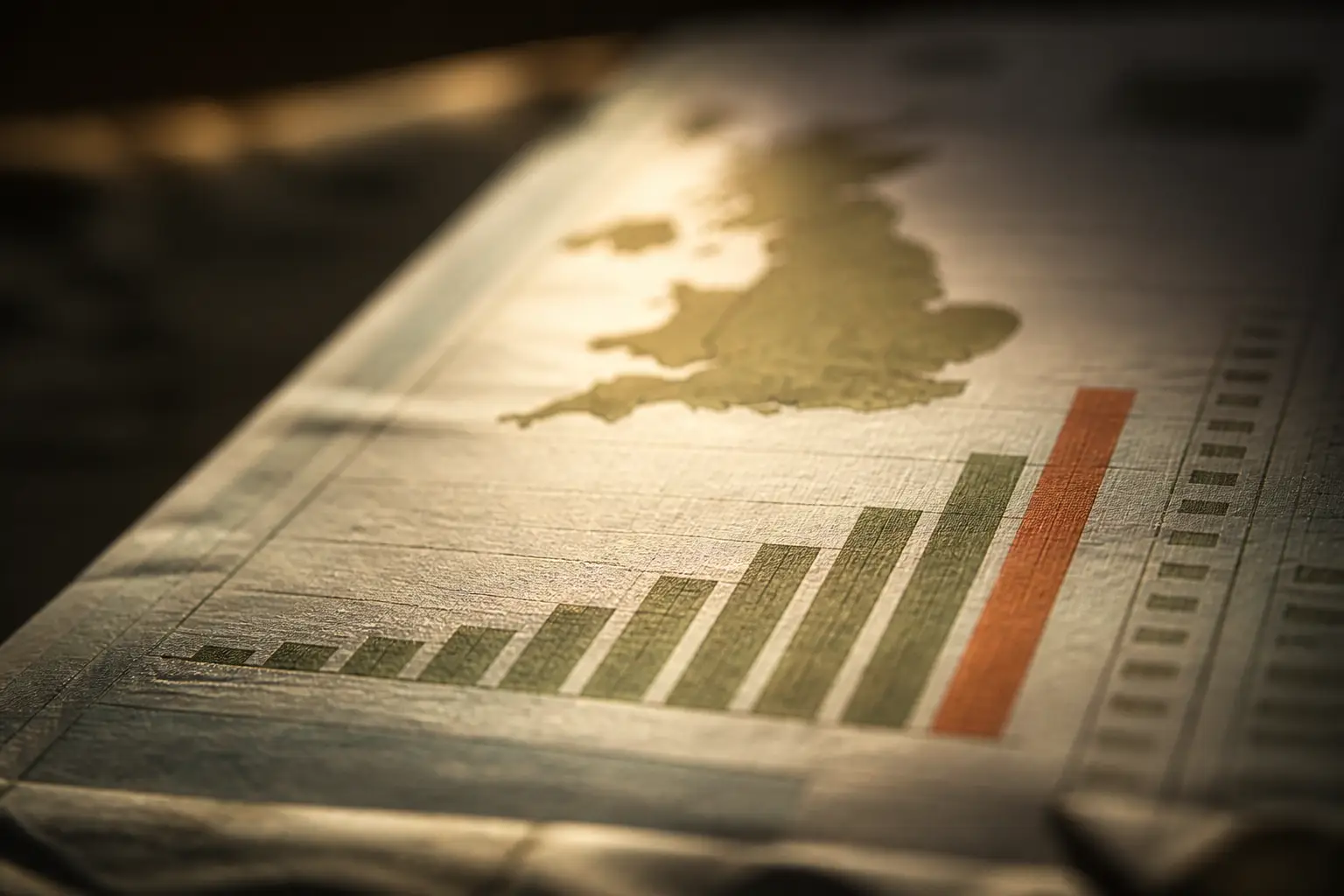
The Blask Index, which measures global demand, rose by only 0.2 percent compared to the pre-tournament baseline. A drastic example of declining interest following sporting elimination comes from the US, where demand dropped by 28 percent after the team exited. In Mexico, the decline was 11 percent, while Canada proved to be an exception with a 7 percent increase. A completely new metric, the Match Profitability Index, reveals that bookmakers finished net behind across all 104 matches. The game between New Zealand and Belgium, which ended 1-5, was the most costly match for operators throughout the tournament.
„The Match Profitability Index scores every match on who won the betting market rather than who won the game. Across all 104 matches, bookmakers came out net behind.“ - Blask World Cup 2026 Report
In the UK, the situation is viewed even more critically by the Betting and Gaming Council (BGC). The lobby group warns that licensed operators could lose around 200 million GBP in wagers to the black market. It is estimated that one-third of all British account holders will place a bet on the World Cup, with total handle for licensed operators expected to top 1 billion GBP. However, studies by Yield Sec indicate that illegal operators already control nine percent of the British market.
Background
The 2026 World Cup is taking place in an environment where regulation in Europe and North America is stricter than ever. In the UK, there are heated debates over Financial Risk Assessments, which the BGC claims could drive an additional 50 million GBP into the illegal sector. Simultaneously, Blask's analysis shows that search interest often peaks during the opening week rather than building up toward the final. This forces marketing departments to completely restructure their budgets, as the traditional surge toward the championship game is not supported by the data.
Another aspect is the dominance of advertising. According to a WARC study, nearly half of all gambling advertising spend now comes from unlicensed operators. This significantly distorts competition, as regulated companies must bear high costs for player protection and taxes, while black market platforms use aggressive methods without any restrictions to lure customers.
Why it matters for German players
For bettors in Germany, the situation is clearly defined by the 2021 State Treaty on Gambling. Anyone wishing to bet on the 2026 World Cup should strictly ensure that the provider is on the whitelist of the Joint Gambling Authority of the States (GGL). Only these providers guarantee compliance with the monthly deposit limit of 1,000 EUR, which is monitored via the LUGAS IT system. While the Blask report shows that bookmakers worldwide made losses, German players are additionally protected by the 1 EUR stake limit for slots or similar restrictions on sports betting.
The dangers posed by the black market mentioned in international reports also apply to Germany. Illegal providers without a GGL license often lure customers with higher bonuses or the absence of the 1,000 EUR limit. However, there is no legal protection here, and the risk of gambling addiction or unpaid winnings is massively increased. German fans benefit from the connection to the OASIS exclusion database at legal providers, offering a safety net that is completely absent in the global black market.
What it means for GGL-licensed casinos
For operators with a German license, the World Cup analysis means one thing above all: efficiency is more important than pure volume. Since demand is barely increasing according to Blask (only 0.2 percent), GGL-licensed casinos and bookmakers must focus on retaining existing customers rather than spending vast sums on acquisition during the tournament. As margins are under pressure worldwide due to the Match Profitability Index, German operators face the enormous economic challenge of meeting tax and duty obligations while dealing with competitive pressure from illegal providers.
Frequently asked questions
Why did demand for the 2026 World Cup barely increase?
According to the Blask Report, global search interest grew by only 0.2 percent because interest dropped rapidly after national teams were eliminated. For example, demand in the US fell by 28 percent immediately.
Did bookmakers make a lot of money from the 2026 World Cup?
No, Blask's Match Profitability Index shows that bookmakers recorded net losses across all 104 matches. The sporting results generally favored betting customers over the operators.
What is the danger posed by the black market during the World Cup?
The British BGC warns of a potential loss of up to 200 million GBP to illegal providers. These operators use high advertising volumes to lure customers away from regulated platforms.
How safe is betting on the World Cup in Germany?
In Germany, betting is only safe with providers holding a GGL license, as they are connected to systems like LUGAS and OASIS. This ensures compliance with deposit limits and provides legal protection for players.
Share
About the author

Lisa Lustich
Editor-in-chief & casino tester
Lisa Lustich has been testing German-language online casinos since 1997 and runs the Lustich.de newsroom. More than 400 published reviews, certified player-protection advisor (BZgA training, 2019).
All articles by Lisa Lustich →Sources & further reading
Whitelist of permitted online operators
Editorial guidelines Lustich.de
BZgA problem-gambling helpline: 0800 1 372 700
 United States
 Mexico
 Canada
Gambling can be addictive. Please play responsibly. Help and counselling at 0800 1 372 700 (BZgA, free & anonymous).
Related topics
Further Reading
 AI-GENERATED
Amusnet Gaming secures Alberta license for Canadian expansion
Following its success in Ontario, Amusnet Gaming has obtained conditional approval from the AGLC for Alberta. The local iGaming market officially launched on July 13, 2026.
 AI-GENERATED
Allwyn reports record Q2 2026 results driven by PrizePicks acquisition
Gaming giant Allwyn saw revenue jump 27 percent to 1.2 billion euros in Q2 2026, fueled by the successful integration of its US-based PrizePicks stake.
 AI-GENERATED
PURE Casino Joins IBIA to Strengthen Sports Betting Integrity in Alberta
Canadian operator PURE Casino has joined the IBIA to secure its new online sports betting operations in Alberta and meet strict regulatory requirements set by the AGLC.