Fake Casino Games Costing Industry Millions: GameCheck Warns of Piracy
 AI-GENERATED
Counterfeit software and manipulated clones are threatening the revenue of legitimate operators. Globally, over 8,500 illegal games have been identified, with Brazil being the leader.
The world of online casinos is facing a growing threat that often remains hidden. Counterfeit slot machines, so-called fake slots, are increasingly flooding the market and depriving rightful developers of vital revenue. Jack Crabtree, Head of Sales at GameCheck, illustrates in a recent analysis how profound this problem has become for the entire industry. Especially in regions that are in a regulatory gray area or are just opening their laws, the business of software piracy is flourishing. This is not just about small copies, but about massive financial losses for the industry's top studios.
The phenomenon affects both game manufacturers and platform operators. When a player spins a manipulated machine, the money does not end up with the company that invested years in developing the graphics and mathematics of the game. Instead, the stake flows directly into the pockets of criminal networks. These clones often look deceptively similar to the original but use their own server, to which the licensed studio has no access. This means the manufacturer does not see a single cent in fees or revenue shares. For companies like Evolution, this is a critical point, as the profitability of their products is directly attacked.
Numbers and facts
The sheer scale of piracy is staggering. Together with market researchers from H2 Gambling Capital, GameCheck has identified around 8,500 fake games worldwide. However, Jack Crabtree emphasizes that this figure is likely just the tip of the iceberg and the actual number could be much higher. A particular focus is on South America. In the Brazilian market alone, over 6,800 illegal games were discovered. Brazil is currently considered one of the fastest-growing gambling markets in the world, making it an ideal hunting ground for rogue operators.
Another alarming result came from a study in collaboration with BetBlocker. It turned out that the majority of websites not on the tool's blocklist were actually operating fake games. This shows how difficult it is for automated systems to keep up with the sheer volume of new scam sites. Fraudulent operators exploit the greed for rapid growth and launch games for which they have never paid a license fee.
Background
Why is game cloning so lucrative? For a criminal provider, the math is simple. They copy the user interface of a popular slot and put their own mathematical logic behind it. Often, the Return to Player (RTP) is manipulated to the disadvantage of the players to artificially increase the site's profit. Since there are no licensing costs, the profit margin for the fraudsters is extremely high. The CEO of Evolution has already publicly described this problem as one of the single biggest sources of revenue leakage.
"Game cloning effectively reduces the studio's RTP to zero on every cloned instance since the company earns nothing from the activity." - Jack Crabtree, Head of Sales at GameCheck
GameCheck attempts to counter this trend with a certification system. The so-called SEAL serves as an independent badge of authenticity. It is intended to signal to players and partners that the software offered comes directly from the manufacturer's original server. In markets like Turkey, this seal is already in high demand to build trust in an otherwise uncertain environment.
Why it matters for German players
For players in Germany, the State Treaty on Gambling 2021 (GlüStV 2021) provides a massive shield against such scams. Anyone playing with a provider listed on the official whitelist of the Joint Gambling Authority of the States (GGL) can be sure that no fake games are being used. The GGL inspects software extremely strictly. Every game must be certified, and the connection to the licensed manufacturers' servers is a prerequisite for operation.
In Germany, technical hurdles such as the LUGAS system and the strict deposit limit of 1,000 euros per month are also active. The stake limit of 1 euro per spin also serves to minimize risk. Those who switch to sites with licenses from Curacao or other offshore locations expose themselves to high risk. There, German customers often end up exactly with the providers that GameCheck has identified as hotspots for fake games. A manipulated slot on an illegal site has no guaranteed payout rate, making the risk of loss uncontrollable.
What it means for GGL-licensed casinos
German casinos with a GGL license paradoxically benefit from the global piracy wave, as they can clearly position themselves as a safe harbor through their transparency and state supervision. The strict controls by German authorities ensure that the authenticity of the games is guaranteed at all times. While providers in Brazil or Turkey struggle with a loss of trust, the GGL seal is a promise of quality. For German operators, however, this also means a high administrative effort to permanently prove the conformity of their technical systems with the requirements of LUGAS and the GGL. Ultimately, this is the only way to offer players a fair environment and prevent the drain of funds into criminal channels.
Frequently asked questions
How can I recognize fake casino games?
It is difficult for laypeople to see, as graphics and sound are often perfectly copied. However, a clear sign is the origin of the license: providers without a GGL license often use servers that are not controlled by the original manufacturer.
Which markets are particularly affected by game piracy?
According to GameCheck, Brazil is currently the largest hotspot with over 6,800 discovered fake games. Turkey and other weakly regulated markets also see an extremely high prevalence of manipulated clones.
What damage do fake games cause to manufacturers?
Manufacturers like Evolution earn absolutely nothing from cloned games, effectively reducing their return per game instance to zero. Globally, at least 8,500 such illegal instances have already been documented by GameCheck and H2 Gambling Capital.
Are players in legal German online casinos safe from fake games?
Yes, players in Germany are protected by the GGL whitelist and the strict technical inspections of the GlüStV 2021. German licenses guarantee that only original software is used, with payout rates monitored by the state.
Share
About the author

Lisa Lustich
Editor-in-chief & casino tester
Lisa Lustich has been testing German-language online casinos since 1997 and runs the Lustich.de newsroom. More than 400 published reviews, certified player-protection advisor (BZgA training, 2019).
All articles by Lisa Lustich →Sources & further reading
Whitelist of permitted online operators
Editorial guidelines Lustich.de
BZgA problem-gambling helpline: 0800 1 372 700
Gambling can be addictive. Please play responsibly. Help and counselling at 0800 1 372 700 (BZgA, free & anonymous).
Read this article in 57 languages
- German
- English
- Portuguese
- French
- Italian
- Spanish
- Japanese
- Polish
- Arabic
- Dutch
- Russian
- Turkish
- Swedish
- Danish
- Norwegian
- Finnish
- Korean
- Hindi
- Indonesian
- Thai
- Vietnamese
- Chinese
- Czech
- Hungarian
- Romanian
- Greek
- Ukrainian
- Croatian
- Bulgarian
- Filipino
- Slovak
- Serbian
- Hebrew
- Persian
- Malay
- Bangla
- Tamil
- Telugu
- Urdu
- Georgian
- Khmer
- Albanian
- Kazakh
- Afrikaans
- Lithuanian
- Latvian
- Estonian
- Slovenian
- Uzbek
- Swahili
- Azerbaijani
- Amharic
- Tajik
- Kyrgyz
- Sinhala
- Hausa
- Nepali
Related topics
Further Reading
 AI-GENERATED
Gambling Tech Pioneer Roy Student Passes Away at Age 83
The gaming industry mourns Roy Student, a visionary who shaped modern casino tech and server-based gaming, passing away on September 5, 2026, at the age of 83.
 AI-GENERATED
Mohegan Sun Deploys AI Robots: MBody AI Completes Successful Pilot
Mohegan Sun Casino in Connecticut is transforming its operations with autonomous MBody AI robots following a successful pilot across its 5.5 million-square-foot property.
 AI-GENERATED
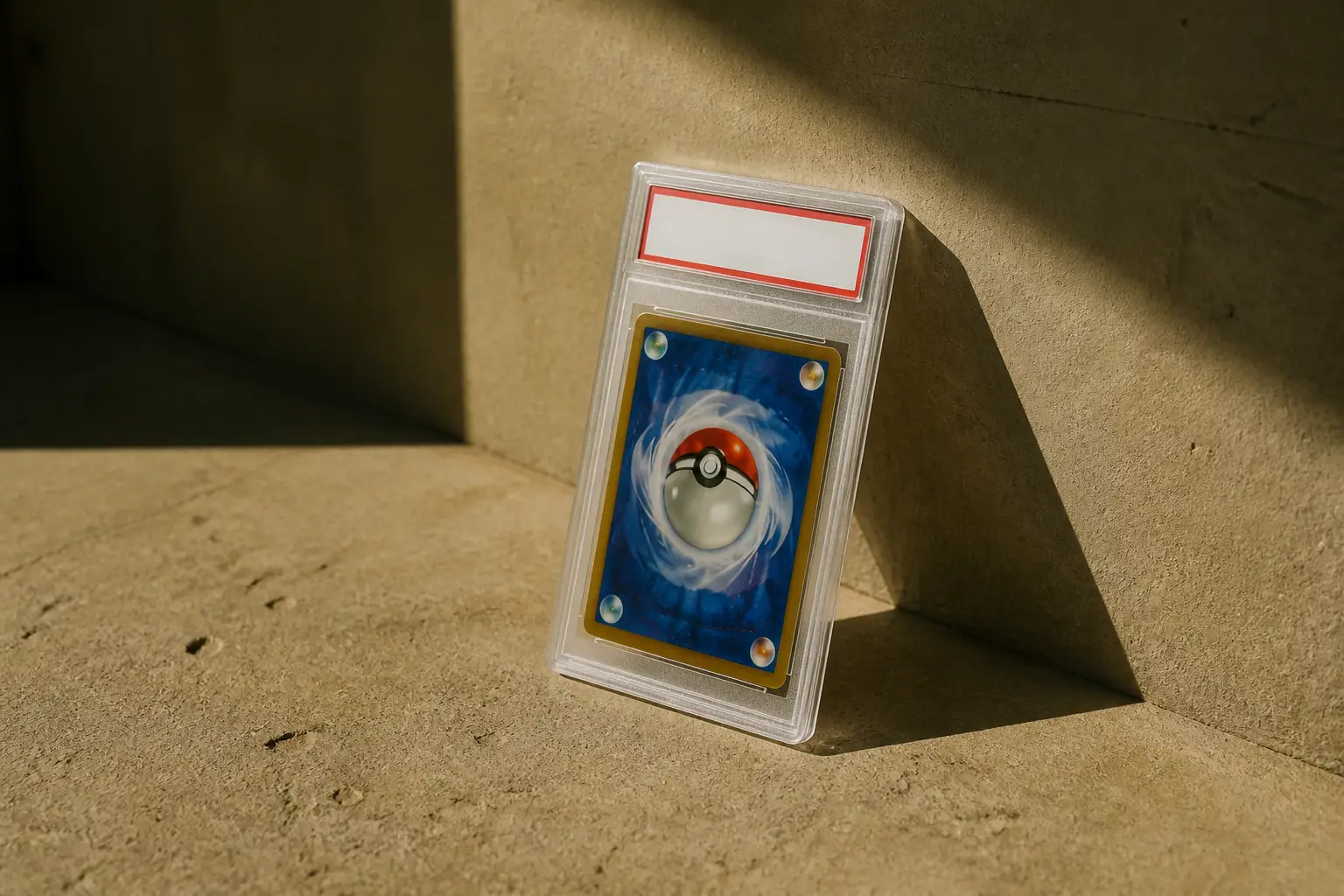
Phygitals: Vegangster Brings Real Pokémon Cards to Online Casinos
Vegangster becomes the first B2B provider to integrate physical trading cards into its platform. Through Phygitals, players can open real graded cards like Pokémon in digital packs.