Ho-Chunk Nation Applies for Liquor License for $705 Million Casino Project
 AI-GENERATED
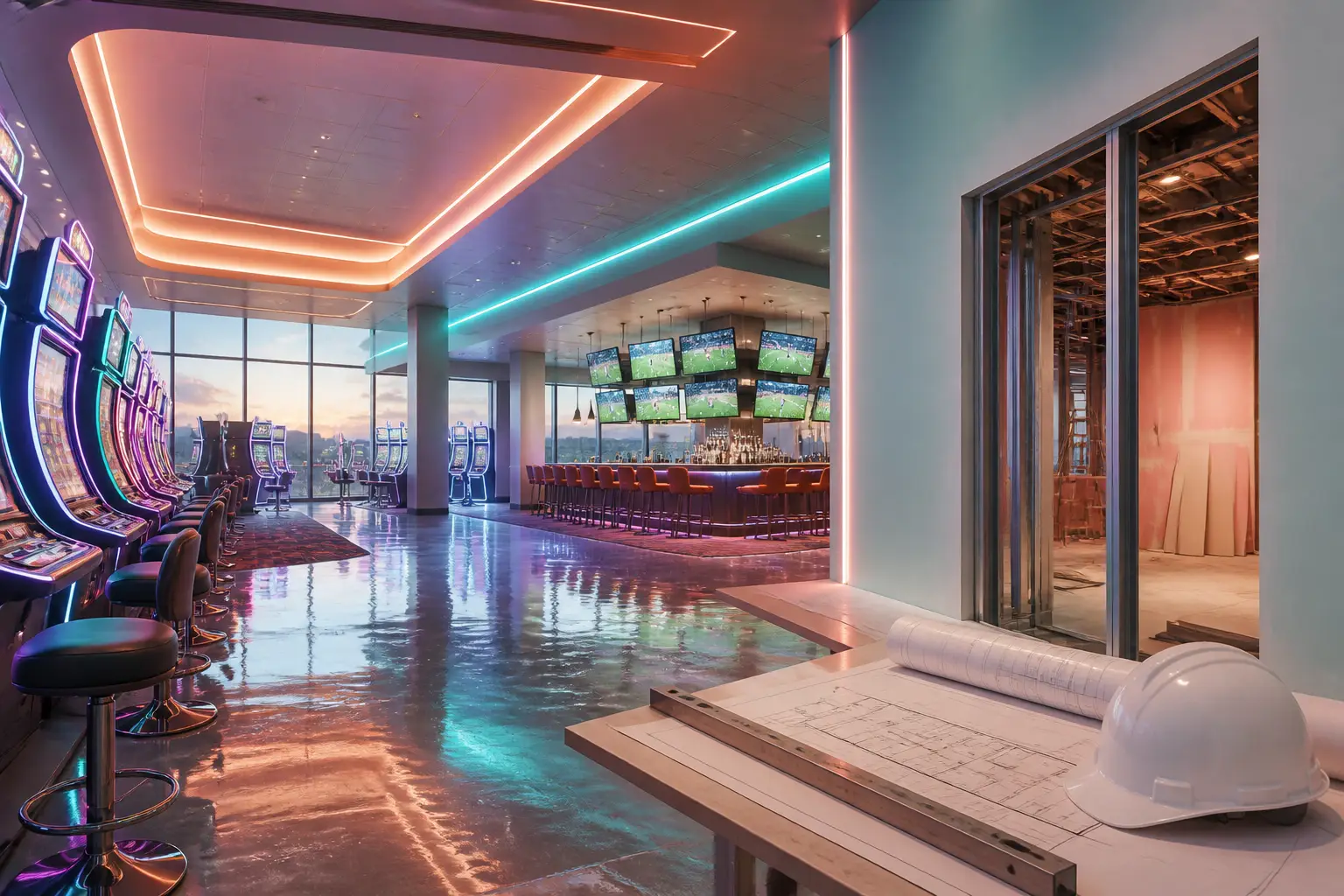
The Ho-Chunk Nation is moving forward with its massive $705 million casino development in Beloit by filing for a new liquor license.
The Ho-Chunk Nation’s plans for its ambitious casino resort in Beloit are taking clear shape. With the recent application for a liquor license, the tribe is approaching another milestone for its $705 million project. This is a classic strategic move in the world of land-based gambling, where the combination of entertainment, dining, and gaming forms the core of the business model. In Beloit, this is not just about a few cold drinks; it involves a Reserve Class B license to allow the sale of beer and spirits at 777 Willowbrook Road.
The process follows a strict city administration timeline. On Tuesday, September 22, the Alcohol Beverage and Liquor Control Committee (ABLCC) will consider the request in a special meeting. However, the final decision rests with the city council, which has scheduled a vote for the regular meeting on October 5. For the Ho-Chunk Nation, this process is routine yet carries political weight. While the tribe already operates six other casinos in Wisconsin, approvals have rarely proceeded without public debate or political hurdles in the past.
Numbers and facts
The construction project in Beloit, with a budget of $705 million, is one of the tribe's most capital-intensive undertakings. Parallel to this, efforts continue for the Madison location. There, the site covers approximately 48 acres, where a hotel, cultural center, and sports complex could be built alongside the casino. The Madison casino, which opened in 1999, features a 67,125-square-foot facility, with about 30,000 square feet reserved for gambling across 1,200 machines.
General Manager Daniel Brown sees licensing as a significant advantage for customer loyalty. He emphasizes that most Indian gaming facilities in the state already offer this service.
"It will upgrade the experience for our players. We plan a centrally located bar in the casino where servers would place orders to take drinks directly to players at the machines." - Daniel Brown, General Manager at Ho-Chunk Gaming Madison
Background
The path to a liquor license has been historically rocky for the Ho-Chunk Nation. In 2004, the tribe spent $1.34 million on a failed referendum for a Class III license. A year later, they faced massive resistance because the casino allowed smoking at the time, while public bars and restaurants were required to follow smoking bans starting July 1, 2005. Critics saw this as an unfair competitive advantage. It was only in August of last year that the Madison casino became the tribe's first officially smoke-free facility.
Political leadership in Madison was also divided. While City Council President Denise DeMarb supports the plan, Mayor Paul Soglin expressed skepticism about mixing alcohol and gambling. Nevertheless, he signaled he would not actively stand in the way of the application. History shows that such licenses can be fleeting: a permit that expired in 2007 was never actively used by the tribe due to strict requirements, such as separating serving areas from the gaming floor.
Why it matters for German players
For German casino fans playing on platforms with a GGL license, such debates sound like another world. In Germany, the Interstate Treaty on Gambling 2021 (GlüStV 2021) regulates the market extremely strictly. While players in US land-based casinos are often served free drinks at their seats, player protection is the top priority in Germany. Deposit limits of 1,000 euros per month and a 1-euro-per-spin limit for online slots are the norm here. These rules are monitored via the central LUGAS system.
The serving of alcohol in land-based casinos in Germany is permitted but strictly controlled to avoid impairing players' decision-making abilities. German players at GGL-licensed providers primarily benefit from legal certainty and the exclusion of providers from Malta or Curacao, which often do not maintain the same strict standards for addiction prevention. Protection against over-indebtedness through the monthly limit is a core aspect of the German system that does not exist in this form in the USA.
What it means for GGL-licensed casinos
For operators with a license from the Joint Gambling Authority of the States (GGL), the development in the USA primarily serves as a comparison of regulatory worlds. In Germany, the focus is on channeling players into a safe, digital environment. While US tribes like Ho-Chunk invest in physical infrastructure such as hotels and sports complexes, German providers must invest heavily in compliance software and identity verification.
The GGL pays meticulous attention to ensure that no gambling advertising occurs in connection with alcohol or other risky lifestyle products. Anyone playing legally in Germany has the certainty that the provider is on the whitelist and subject to regular inspections. A "Wild West" of gambling, as occasionally seen in the regulatory battles in Wisconsin, is excluded by the GlüStV 2021. This creates trust but significantly limits operators' freedom compared to US casinos.
Frequently asked questions
When will the decision on the Beloit casino liquor license be made?
The final decision by the Beloit City Council is scheduled for the regular meeting on October 5, 2026. A review by the relevant committee will take place beforehand on September 22.
How expensive is the Ho-Chunk Nation's new casino project?
The project in Beloit, Wisconsin, has a total investment volume of $705 million. It is one of the tribe's largest construction projects in recent history.
Is there a smoking ban in Ho-Chunk Nation casinos?
The Madison casino was officially declared a smoke-free zone in August of last year, becoming the tribe's first such facility in Wisconsin. In the past, the combination of smoking permission and planned alcohol service was a major point of contention.
Is alcohol advertising allowed in German online casinos?
No, the rules of the Joint Gambling Authority of the States (GGL) prohibit aggressive advertising that links alcohol consumption with gambling. Player protection under GlüStV 2021 forbids incentives that could cloud players' risk awareness.
Share
About the author

Lisa Lustich
Editor-in-chief & casino tester
Lisa Lustich has been testing German-language online casinos since 1997 and runs the Lustich.de newsroom. More than 400 published reviews, certified player-protection advisor (BZgA training, 2019).
All articles by Lisa Lustich →Sources & further reading
Whitelist of permitted online operators
Editorial guidelines Lustich.de
BZgA problem-gambling helpline: 0800 1 372 700
Gambling can be addictive. Please play responsibly. Help and counselling at 0800 1 372 700 (BZgA, free & anonymous).
Related topics
Further Reading
 AI-GENERATED
Japanese Town Ōtō Eyes Multi-Billion Dollar Integrated Resort Bid
The small town of Ōtō in Fukuoka is exploring an integrated resort bid that could generate JPY1 trillion ($6.37 billion) to combat regional economic decline.
 AI-GENERATED
Poker Stars Join New Hampshire Charitable Gaming Expansion
New Hampshire is expanding its charitable gaming sector, featuring a $60,000 poker tournament with legends like Phil Hellmuth and 35% revenue sharing.
 AI-GENERATED
Laos Casino Feud: US Court Rules Government Can Chase Investors for $5 Million
A US appeals court has revived a 14-year legal battle. Laos is seeking $5 million from American investors John K. Baldwin and Bridge Capital.