UK Gambling Braces for Impact: Burnham and Healey Spark Industry Alarm
 AI-GENERATED
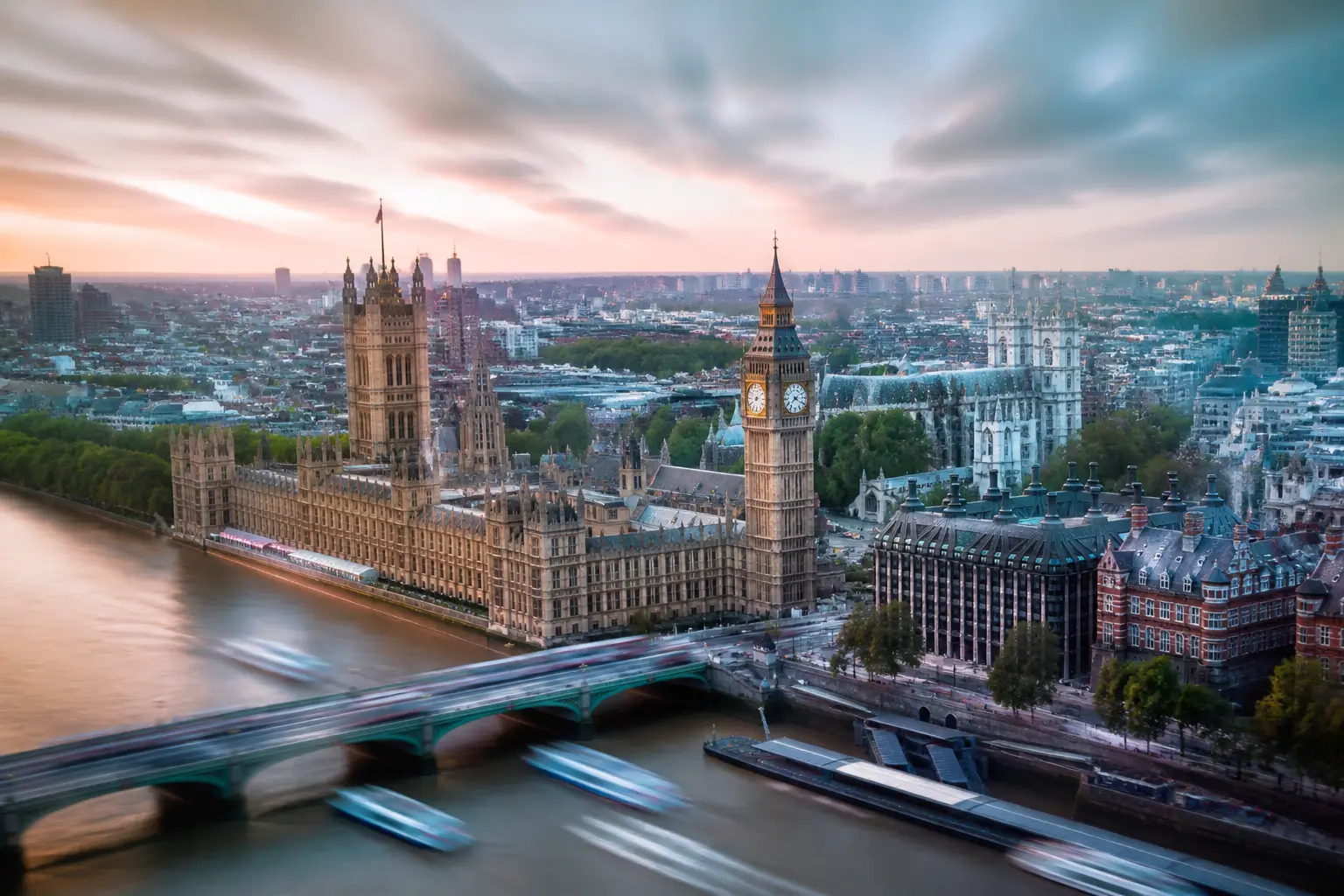
Following Andy Burnham's appointment as Prime Minister on Monday, the UK gambling sector fears massive tax hikes. New Chancellor John Healey is expected to take a tough stance on the industry.
The political landscape in the United Kingdom has undergone a seismic shift, bringing a noticeably colder climate for the gambling industry in Downing Street. On Monday, Andy Burnham was declared the new Prime Minister, a move that sent immediate ripples of concern through the sector. Perhaps even more significant for the gaming trade was the appointment of John Healey as the new Chancellor of the Exchequer. Coupled with the reappointment of Lisa Nandy as Secretary of State at the DCMS, a leadership trio has emerged that does not exactly inspire confidence among industry veterans.
The mood among business leaders with long term experience in the corridors of power is described as succinctly gloomy. There is a deep seated fear that the new administration will view the gambling sector as an easy target for revenue generation to fill fiscal gaps. The concern is that Healey, in his role at Number 11, may choose to listen more attentively to those voices in the political arena who advocate for draining the industry without mercy. While bodies such as Bacta may hope for a constructive dialogue, many in the trade are bracing for a period of intense regulatory and financial pressure.
Numbers and facts
Speculation is mounting that the government might be influenced by high profile critics and former gamblers like Derek Webb, a prominent Labour donor. The central fear is that John Healey will find the prospect of soaking significantly more income from the business, especially the online sector, far too tempting. This comes at a time when the industry is already grappling with evolving standards of social responsibility.
Beyond taxes, there are concerns regarding broader social policies. There is a perceived risk that the Labour government will introduce measures that look good in headlines but effectively drive adult gaming centres (AGCs), bingo halls, and bookmakers out of town centres. This would lead to a further decline of urban high streets, resulting in shuttered shops and thousands of redundancies. Industry sources point out that a large portion of the workforce in these establishments consists of women, for whom these jobs provide vital second income streams. Losing these positions would be a heavy blow to the very working families that the government aims to support.
Background
History plays a significant role in the current lack of optimism. Many veterans in the trade remember the period following the 2005 Gaming Act when Andy Burnham served as Secretary of State at the DCMS. During his tenure, he was noted for the difficulty the industry faced when trying to engage with him. This track record makes the prospect of his premiership particularly daunting for those seeking a collaborative relationship between the regulator and the regulated.
"With John Healey in No 11, there is a distinct danger that he will listen more attentively to those elements in the political arena who are in favour of draining the gaming industry unmercifully." - David Snook, Industry Expert at InterGame
As it stands, the combination of a skeptical Prime Minister and a Chancellor looking for revenue creates a volatile environment for UK gambling operators. The fear is that the industry is being viewed merely as a goose expected to lay more golden eggs, regardless of the long term sustainability of such a strategy.
Why it matters for German players
Developments in the UK are significant for German players because the British market has long been considered the gold standard for liberal but regulated gambling in Europe. If the UK moves towards a much more restrictive and high tax environment, it could signal a broader European trend. In Germany, the Interstate Treaty on Gambling 2021 (GlüStV 2021) has already established a very strict framework, including the 1,000 Euro monthly deposit limit tracked via LUGAS and the 1 Euro per spin limit on slots.
A fiscal squeeze in the UK might lead international operators to adjust their offerings globally, potentially affecting bonus structures or payout ratios even for German customers. Therefore, it is more important than ever for players in Germany to stick to GGL licensed casinos. These operators provide a safe haven where legal standards are clearly defined and player protection is a priority, even when political winds change across the English Channel.
What it means for GGL-licensed casinos
For GGL licensed operators, the uncertainty in the UK highlights the importance of regulatory stability. While the German market is exceptionally tough due to the GlüStV 2021 requirements, it offers a level of predictability that is currently evaporating in Britain. The GGL whitelist ensures that all participating companies meet high bars for player safety and financial transparency. As UK based firms face potential local headwinds, the German market might see a shift in focus from international groups. This situation serves as a reminder for the industry to continuously engage with politicians to demonstrate the value of a legal, safe, and reasonably taxed gambling market as a successful tool for player channeling.
Frequently asked questions
What political changes in the United Kingdom are causing concern for the gambling industry?
The appointment of Andy Burnham as Prime Minister and John Healey as Chancellor of the Exchequer has triggered anxiety within the British gambling industry. Both politicians, along with Minister of State Lisa Nandy, are not perceived as particularly industry-friendly and may implement tax increases or new social policies.
What specific fears does the gambling industry have regarding the new government?
There is concern that the government will use the gambling sector as a revenue source for budget consolidation, potentially leading to significant tax hikes, especially for the online segment. Furthermore, new social policies could endanger the existence of betting shops and bingo halls.
Why does the industry remember Andy Burnham's time as a minister?
The industry recalls Andy Burnham's tenure as Minister of State at the DCMS following the 2005 Gaming Act. During that period, constructive dialogue with the industry was considered extremely difficult by industry insiders, which fuels current distrust.
What role does Derek Webb play in this situation?
Derek Webb, a Labour donor and former gambler, is mentioned as a prominent critic of the industry. It is speculated that John Healey, in his new role as Chancellor, may be more receptive to the demands of circles like Webb for higher levies.
What impact could the developments in the UK have on German players and casinos?
Stricter regulations in the UK could serve as a model for the EU and also lead to stricter German regulations. International operators might shift costs to other markets like Germany, resulting in worse odds or bonuses. Players should focus on the GGL whitelist to ensure security.
Share
About the author

Lisa Lustich
Editor-in-chief & casino tester
Lisa Lustich has been testing German-language online casinos since 1997 and runs the Lustich.de newsroom. More than 400 published reviews, certified player-protection advisor (BZgA training, 2019).
All articles by Lisa Lustich →Sources & further reading
Whitelist of permitted online operators
Editorial guidelines Lustich.de
BZgA problem-gambling helpline: 0800 1 372 700
Gambling can be addictive. Please play responsibly. Help and counselling at 0800 1 372 700 (BZgA, free & anonymous).
Read this article in 57 languages
- German
- English
- Portuguese
- French
- Italian
- Spanish
- Japanese
- Polish
- Arabic
- Dutch
- Russian
- Turkish
- Swedish
- Danish
- Norwegian
- Finnish
- Korean
- Hindi
- Indonesian
- Thai
- Vietnamese
- Chinese
- Czech
- Hungarian
- Romanian
- Greek
- Ukrainian
- Croatian
- Bulgarian
- Filipino
- Slovak
- Serbian
- Hebrew
- Persian
- Malay
- Bangla
- Tamil
- Telugu
- Urdu
- Georgian
- Khmer
- Albanian
- Kazakh
- Afrikaans
- Lithuanian
- Latvian
- Estonian
- Slovenian
- Uzbek
- Swahili
- Azerbaijani
- Amharic
- Tajik
- Kyrgyz
- Sinhala
- Hausa
- Nepali
Related topics
Further Reading
 AI-GENERATED
Massive Raid on Illegal Gambling Ring: €5.8 Billion in Wagers Uncovered
German authorities have dismantled a major illegal gambling operation suspected of processing €5.86 billion in bets. The raid sparks intense debate over official black market estimates.
 AI-GENERATED
Google Search Autocomplete Luring Players to Unlicensed Casinos
The Dutch affiliate watchdog KVA warns that unlicensed operators are manipulating Google's autocomplete features to bypass player protection systems like CRUKS.
 AI-GENERATED
India Drops Google Antitrust Probe Following Nationwide Online Betting Ban
India's CCI has closed a long-running antitrust case against Google as the new 2026 gaming law renders the real-money gaming market illegal.