Vegas Security Upgrade: South Point Casino Implements Slide Dealing to Combat Tech Fraud
 AI-GENERATED
To counter high-tech cheating rings and hidden cameras, South Point Casino in Las Vegas is changing its dealing method to enhance game protection.
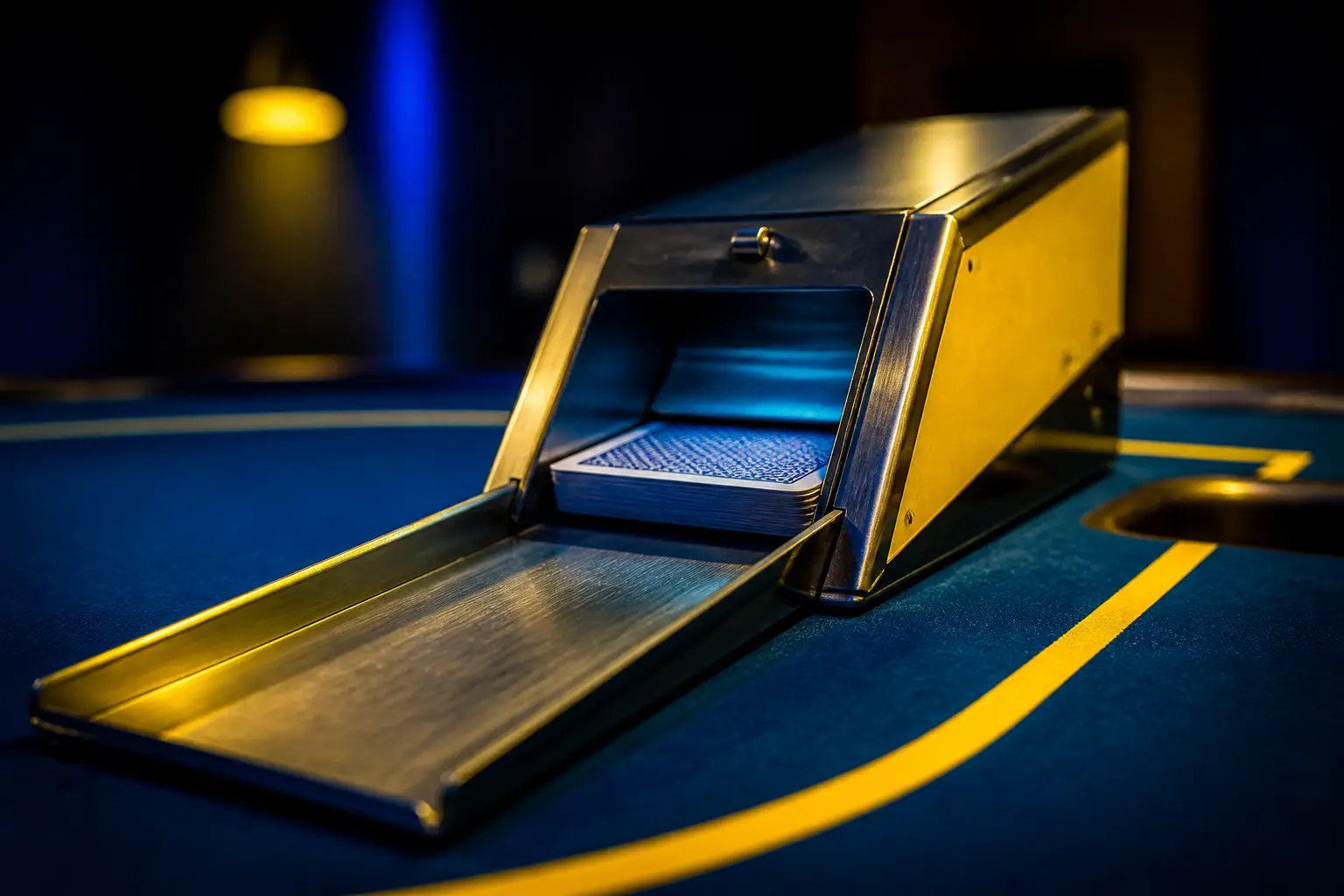
In the high-stakes environment of Las Vegas, the battle for game integrity has entered a new phase. South Point Casino has recently implemented a significant change to its poker room operations by adopting the slide dealing method. Traditionally, many dealers in the United States use a technique called pitching, where cards are flicked through the air to players. However, this method can inadvertently expose the card's face to high-tech devices. By sliding the cards flat across the felt, South Point aims to eliminate the window of opportunity for hidden cameras and artificial intelligence tools.
The shift comes as a direct response to a series of sophisticated cheating scandals that have plagued the industry globally. In Europe, authorities recently dismantled a ring of "casino gangsters" who used mobile phones to secretly record cards during the deal. These criminals operated with a level of technical precision that has forced operators to reconsider traditional procedures. South Point Poker Room Manager Jason Sanborn noted that the rise of Meta Glasses and AI-driven cheating tools made it clear that proactive measures were necessary to protect the game.
Numbers and facts
The impact of these cheating operations is substantial. In one instance involving a French casino, a group of cheaters managed to take approximately €200,000 over several visits. The methods used were straight out of a spy movie. Suspects placed smartphones flat on the table during blackjack and poker games to capture low-angle images of the cards. One individual even had a camera taped to his stomach, filming through tiny holes in his shirt. The coordination was seamless, with accomplices outside the casino analyzing the footage and relaying information back via earpieces so small they required magnets for removal.
Similar concerns have been echoed in the United States. Poker professional Bart Hanson has pointed to alleged cheating rings operating in major hubs like Los Angeles and Las Vegas. He emphasized the difficulty of proving such activities without catching the perpetrators red-handed, as statistical anomalies are often dismissed by those not deeply familiar with the nuances of professional play. South Point, which primarily serves a local demographic rather than high-rollers, is positioning itself as a leader in security to maintain player trust.
Background
Slide dealing is not a brand-new concept but has been more common in European circuits. PokerStars, for instance, implemented the technique at European Poker Tour (EPT) events last year. The move by South Point is seen as a way to avoid more drastic measures, such as a total ban on electronic devices at the table. While the World Series of Poker (WSOP) has introduced stricter rules for 2025, including banning electronics at final tables, Sanborn believes that allowing players to keep their phones while changing the dealing mechanic is a more balanced approach.
"I don’t think it is reasonable to ban electronics at the table. Going to the slide pitch provides the best protection against exposed cards that we can currently do as operators." - Jason Sanborn, Poker Room Manager at South Point
Professional reaction has been mixed but generally supportive of the security aspect. Andy Bloch, a well-known poker pro, publicly advocated for the change, noting that even elite dealers can struggle to pitch cards perfectly flat 100% of the time. However, some players and critics argue that sliding cards is slower than pitching, which could reduce the number of hands dealt per hour and affect the overall flow of the game. Despite this, the consensus among security experts is that the trade-off is necessary.
Why it matters for German players
For players in Germany, the integrity of the game is governed by the strict regulations of the Interstate Treaty on Gambling 2021 (GlüStV 2021). German state-licensed casinos and GGL-authorized online platforms are already subject to rigorous monitoring. The adoption of European-style security measures in Las Vegas underscores the high standards that have long been a hallmark of the regulated German market. Mechanisms like the LUGAS system and the OASIS database ensure a safe environment, primarily focusing on player protection and addiction prevention, but they also reflect a broader commitment to fair play.
Players in Germany who choose GGL-licensed operators benefit from systems that are designed to detect fraud and manipulation. While live casinos in Germany have their own strict protocols for dealing and surveillance, the online sector uses certified Random Number Generators (RNG) and sophisticated anti-bot software. The move in Las Vegas serves as a reminder that even in the world's gambling capital, the security philosophies often align with the strict regulatory framework found in Germany.
What it means for GGL-licensed casinos
GGL-licensed casinos in Germany can view this trend as a validation of their technology-first approach to security. While physical casinos must deal with cameras and hidden devices, online operators face challenges like Real-Time Assistance (RTA) and botting. The investment in detection tools by German-licensed sites mirrors the efforts of South Point to stay ahead of bad actors. By maintaining high transparency and adhering to the GGL whitelist, these operators provide a level of security that offshore or unregulated sites simply cannot match. The evolution of dealing methods in Vegas is just one part of a global effort to ensure that the house—and the players—are protected from high-tech interference.
Frequently asked questions
Why did South Point Casino change its dealing method?
The casino aims to prevent players from using hidden cameras or AI glasses to see card values. Traditional pitching can cause cards to angle upward, making them visible to sophisticated technical devices.
What cheating methods were discovered in Europe?
Criminal groups used smartphones placed on tables and hidden body cameras to record cards. Accomplices then sent instructions to the players via microscopic earpieces that were so small they needed magnets to be removed.
Is slide dealing a disadvantage for players?
Some critics argue it slows down the game, potentially leading to fewer hands per hour. However, many pros believe the increased fairness and security are worth the slight decrease in speed.
Are similar security measures in place in Germany?
Yes, German casinos and online operators follow the strict GlüStV 2021 regulations. GGL-licensed providers use advanced monitoring and IT security to ensure that manipulation and fraud are prevented.
Share
About the author

Lisa Lustich
Editor-in-chief & casino tester
Lisa Lustich has been testing German-language online casinos since 1997 and runs the Lustich.de newsroom. More than 400 published reviews, certified player-protection advisor (BZgA training, 2019).
All articles by Lisa Lustich →Sources & further reading
Whitelist of permitted online operators
Editorial guidelines Lustich.de
BZgA problem-gambling helpline: 0800 1 372 700
 United States
 France
Gambling can be addictive. Please play responsibly. Help and counselling at 0800 1 372 700 (BZgA, free & anonymous).
Read this article in 10 languages
Related topics
Further Reading
 AI-GENERATED
LCKY Group Partners with Flows: AI Boost for LuckyCasino and HappyCasino
LCKY Group integrates the Flows orchestration platform across its six casino brands to significantly accelerate innovation and product launches.
 AI-GENERATED
Altenar vs Sportradar: Legal Battle Over US Sports Data Escalates
Altenar is fighting Sportradar's attempt to move a major antitrust lawsuit concerning NHL, NBA, and MLB data to Switzerland. Live betting accounts for up to 75% of US handle.
 AI-GENERATED
EvenBet Gaming Rebrands to Evenbeter: Major Evolution for Global Tech Provider
Online poker specialist EvenBet Gaming has officially rebranded as Evenbeter, reflecting its growth to over 200 projects across 41 countries.