Mbappé Leads Player Revolt: France's World Cup Stars Push Back Against Betclic Campaign
 AI-GENERATED
Days before kick-off the row between France's players, federation and betting partner Betclic is escalating. We analyse the conflict and show why German player-protection groups have been calling for similar pushback for years.
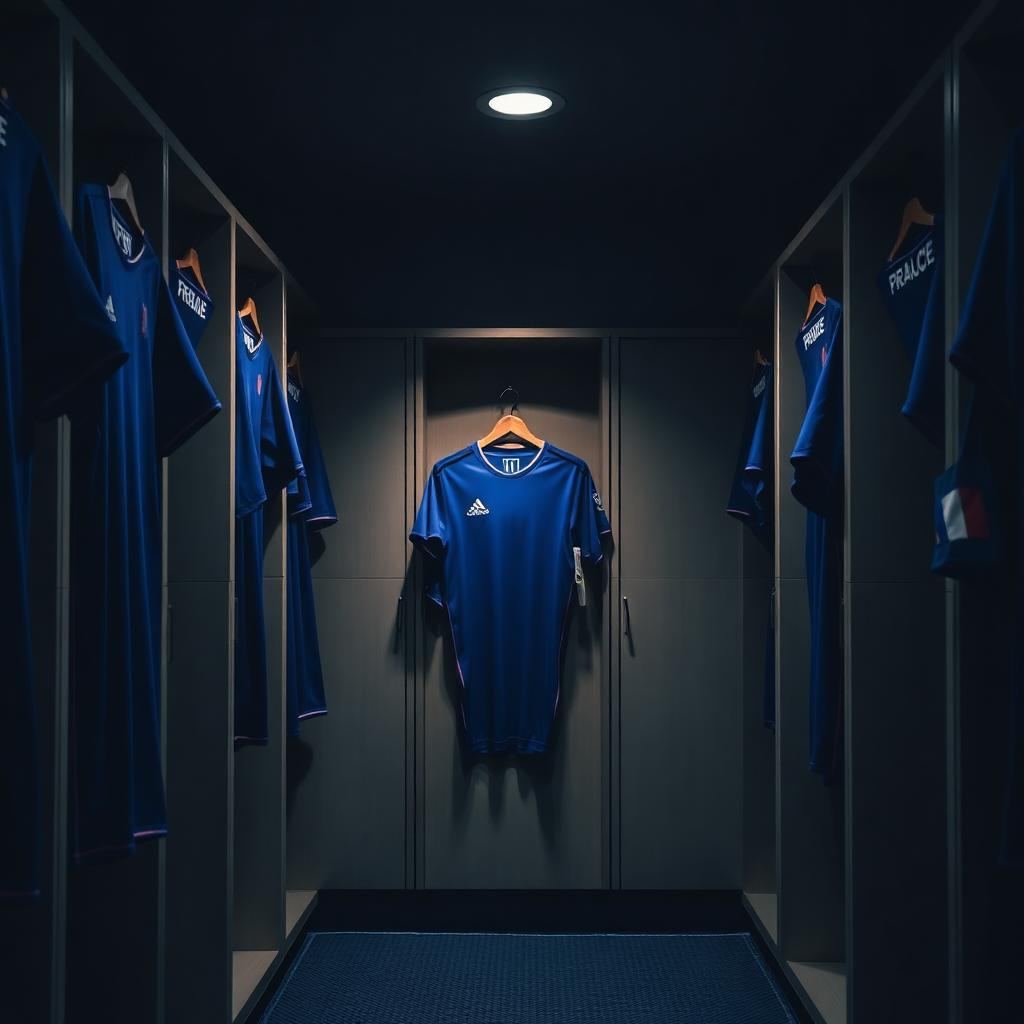
Days before the 2026 World Cup, an open conflict erupted. France's national team players, the federation (FFF), and main sponsor Betclic? They're all at odds. iGamingToday.com reported it June 7, citing L'Équipe: several players, captain Kylian Mbappé and Rayan Cherki among them, found their media-day portraits in a huge Betclic betting campaign. Nobody asked them.
The players say the FFF broke an image-rights agreement from September 2023. That deal? It details how commercial partners can use national-team images. Mbappé's been fighting gambling marketing for years. He argues players are role models; they should think about the social impact of the brands they back.
Betclic has been an FFF betting partner since 2018. They reportedly pay €7–9 million each year for the rights. The deal runs until summer 2027. France's gambling authority, ANJ, generally allows sponsorship with national-team players. But, they have strict rules: no single-bet promos, no bonus messages in image campaigns, clear separation from editorial. The controversial campaign? It technically followed those rules. This fight is about personality rights.
From where I sit in Germany, this story matters, for a few reasons. First off, the German national team really cut back on sports-betting marketing since 2023. Tipico? They were the last official betting partner. Their DFB deal ended June 30, 2024, no renewal. VW is the main sponsor now. Betting brand deals? Only secondary perimeter advertising at home matches. Second, the GGL clarified something in January 2026: promoting sports betting with active pro athletes in Germany? Only allowed outside kit and sponsorship stuff.
The federal states, they're also talking about expanding advertising bans. Like the British 'Whistle-to-Whistle' rule, banning betting ads before and during live sports. Markus Söder, a consumer-affairs CDU politician, pushed for a similar German rule in May. The SPD-led states, Berlin, Hamburg, Bremen, they're all for it. Bavaria and Hesse, though? Nope. A decision? Expected at the July Ministerpräsidentenkonferenz.
The money involved? Huge. Germany's five biggest sports-betting brands (bwin, Tipico, NEO.bet, Sportingbet, Betano) together spend €180–220 million every World Cup year on TV and online ads. DSWV says so. A full Whistle-to-Whistle ban, according to industry estimates, would slice that by about 40%. Operators worry it'd just boost the black market, which already ignores German advertising rules. Terrible.
For players and fans alike, this French dispute is a clear message. Pro athletes fronting sports-betting ads? Acceptance is dropping across Europe. It’ll stay a hot political topic long after the 2026 World Cup. Anyone betting in Germany? Stick to the roughly 40 GGL-licensed operators. They have stricter ad rules, are linked to LUGAS and OASIS, and are directly supervised by Germany. We'll keep digging into this role-model and personality-rights debate on Lustich.de, in detail.
Share
About the author

Lisa Lustich
Editor-in-chief & casino tester
Lisa Lustich has been testing German-language online casinos since 1997 and runs the Lustich.de newsroom. More than 400 published reviews, certified player-protection advisor (BZgA training, 2019).
All articles by Lisa Lustich →Sources & further reading
Whitelist of permitted online operators
Editorial guidelines Lustich.de
BZgA problem-gambling helpline: 0800 1 372 700
Gambling can be addictive. Please play responsibly. Help and counselling at 0800 1 372 700 (BZgA, free & anonymous).
Read this article in 2 languages
- German
- English
Related topics
Further Reading
 AI-GENERATED
Matthias Beyer triumphs at Michels Donkey Race during Meetup Poker Festival
Matthias Beyer secured victory at the Meetup Poker Festival finale in Grand Casino Aš, taking home a total of 1,115 Euro in prize money and bounties.
 AI-GENERATED
German High Court to Rule on Online Casino Loss Refunds on September 17
The Federal Court of Justice (BGH) will hear case I ZR 216/25 on September 17, 2026, potentially forcing unlicensed casinos to repay millions in player losses.
 AI-GENERATED
Galaxsys Launches Gift Box: New Interactive Bonus Feature for Casino Games
Game developer Galaxsys introduces Gift Box, a marketing tool that delivers real-time rewards directly into the game chat to enhance player retention.