Holland Casino Admits Lapses After Banned Reporter Bypasses Entry Controls
 AI-GENERATED
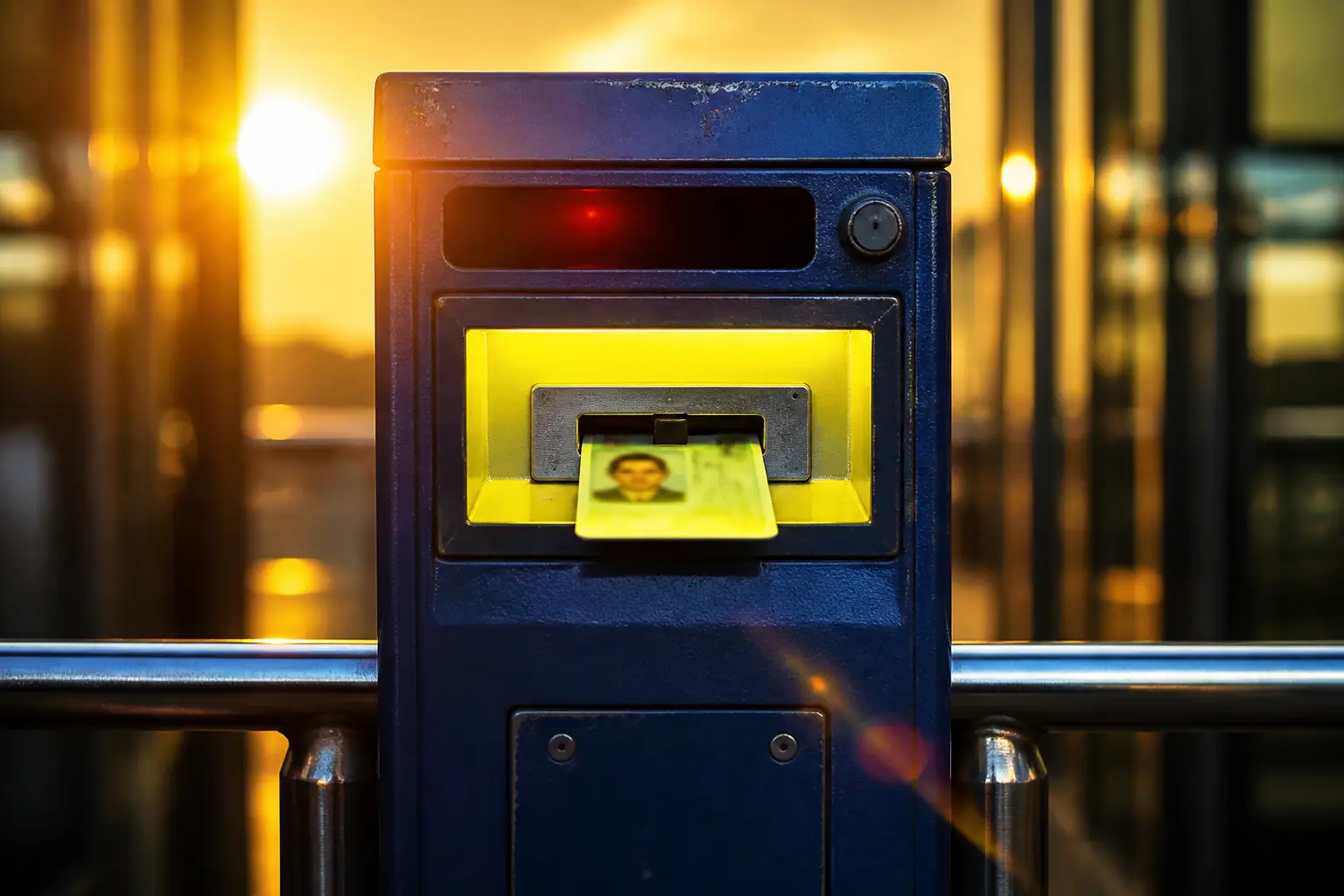
A reporter registered in the national self-exclusion system successfully entered Dutch venues using a fake ID. Holland Casino acknowledged that staff failed to follow procedures.
A recent undercover investigation by Dutch broadcaster PowNed has exposed significant flaws in the entry verification processes of physical casinos. Reporter Abel Bijlsma, who is voluntarily registered in the national self-exclusion database Cruks, managed to gain access to multiple gambling venues by presenting a colleague’s identification. This case highlights the critical role of human judgment in enforcing responsible gambling measures designed to protect vulnerable individuals.
Holland Casino, the state-owned operator, officially acknowledged that its security protocols were not strictly followed at its Eindhoven location. While the digital systems linked to the exclusion database functioned correctly, the physical verification of the individual against the document failed. The reporter successfully convinced staff that his different appearance was the result of significant weight loss, a tactic that exploited the employees' desire to be hospitable.
Numbers and facts
The investigation involved a total of ten entry attempts by Bijlsma. In five instances where he presented his own ID, he was correctly denied entry every time, proving that the Cruks database integration is technically sound. However, in five other attempts using a colleague’s driver’s license, he was admitted to three out of five venues. The venues that failed the check included Holland Casino Eindhoven, Jack’s Casino in Utrecht, and Casino Be One in Rotterdam.
The Netherlands Gambling Authority (KSA) responded quickly to these findings, stating it would take action following the broadcast. Holland Casino conducted an internal review, discovering that staff had even checked an older photo of the actual ID holder in their system. Ironically, the reporter looked more like the person in the older file than the current photo on the license, leading staff to grant him access despite their initial suspicions.
"Employees allowed considerations of hospitality to influence their judgment more than was appropriate." - Official statement from Holland Casino management
Background
This incident underscores the inherent difficulties of manual identity verification. While online operators often use automated biometric checks, physical casinos rely on security personnel who can be swayed by social engineering. The KSA emphasized that the entire harm-reduction strategy relies on the diligence of physical identity checks. The fact that the reporter had a 60% success rate when using a fake ID is a wake-up call for the industry.
Holland Casino noted that they handle millions of visits annually and that their procedures are generally effective. However, they admitted that in this specific case, the protocol—which dictates that entry must be refused if there is any doubt about identity—was ignored. The staff involved have since been retrained and reminded of the non-negotiable nature of these security requirements.
Why it matters for German players
For players in Germany, the integrity of self-exclusion systems is governed by the Interstate Treaty on Gambling 2021 (GlüStV 2021). The central database, OASIS, serves as the primary tool for blocking access to both online and land-based gambling. The Dutch incident serves as a reminder that human error can still compromise these systems. In Germany, strict ID requirements are mandatory, and any failure to verify a guest can lead to severe penalties for operators.
German players benefit from additional layers of protection, such as the 1 Euro per spin limit on slots and the 1,000 Euro monthly deposit limit tracked via LUGAS. However, the Eindhoven case shows that the first line of defense—the physical ID check—is where the most significant risks lie. The German regulator GGL maintains a whitelist of licensed operators to ensure that these safety standards are upheld across the board.
What it means for GGL-licensed casinos
Online casinos licensed by the GGL are less susceptible to the "hospitality trap" mentioned by Holland Casino. Digital verification processes (KYC) typically involve automated comparisons that are not easily fooled by claims of weight loss. Nevertheless, the incident highlights the need for continuous monitoring of verification workflows. If a GGL-licensed operator were found to be lax in its ID checks, it would face immediate regulatory scrutiny and potential loss of its license.
As a result of this investigation, it is likely that European regulators, including those in Germany, will increase their focus on the human elements of player protection. The balance between being a welcoming host and a strict enforcer of gambling laws is delicate, but as this case proves, security must always come first to ensure the safety of players on the exclusion list.
Frequently asked questions
How was a self-excluded player able to enter a casino?
Reporter Abel Bijlsma used a colleague's driver's license and claimed he had lost significant weight. Staff at the Eindhoven location admitted him despite their doubts, prioritizing hospitality over security protocols.
Which casinos were involved in the security failures?
Three venues failed the test: Holland Casino in Eindhoven, Jack’s Casino in Utrecht, and Casino Be One in Rotterdam. Two other locations correctly identified the fraud and denied entry.
What is the Cruks system in the Netherlands?
Cruks is the central Dutch self-exclusion register. It is designed to block individuals with gambling problems from accessing all legal gambling venues and websites, similar to the German OASIS system.
What consequences do the operators face?
The Dutch regulator KSA has announced it will take action against the venues that allowed the reporter to enter. Holland Casino has already conducted an internal review and retrained the staff involved.
Could these security gaps happen in German casinos?
While the GlüStV 2021 mandates strict checks through OASIS and LUGAS, human error remains a risk at physical locations. However, GGL-licensed online operators typically use automated biometric tools to prevent such deception.
Share
About the author

Lisa Lustich
Editor-in-chief & casino tester
Lisa Lustich has been testing German-language online casinos since 1997 and runs the Lustich.de newsroom. More than 400 published reviews, certified player-protection advisor (BZgA training, 2019).
All articles by Lisa Lustich →Sources & further reading
Whitelist of permitted online operators
Editorial guidelines Lustich.de
BZgA problem-gambling helpline: 0800 1 372 700
Gambling can be addictive. Please play responsibly. Help and counselling at 0800 1 372 700 (BZgA, free & anonymous).
Related topics
Further Reading
 AI-GENERATED
Norway Launches First Public Complaints Resolution Centre for Online Casino Players
On September 8, 2026, Kongebonus introduced a transparent platform for Norwegian players to resolve disputes with online casinos publicly.
 AI-GENERATED
BetBlocker Expands Safer Gambling Tools to Chinese and Vietnamese Languages
The charity BetBlocker has launched new versions of its free blocking software in Vietnamese and Chinese to remove language barriers in player protection.
 AI-GENERATED
Responsible Gaming: A 40-Year Evolution of Industry Standards
The gambling industry now invests $471.8 million annually in responsible gaming initiatives, representing a 72% increase since 2017.