Tesco and Sports Stars Targeted: Fraudulent Scam With Illegal Casino Ads
 AI-GENERATED
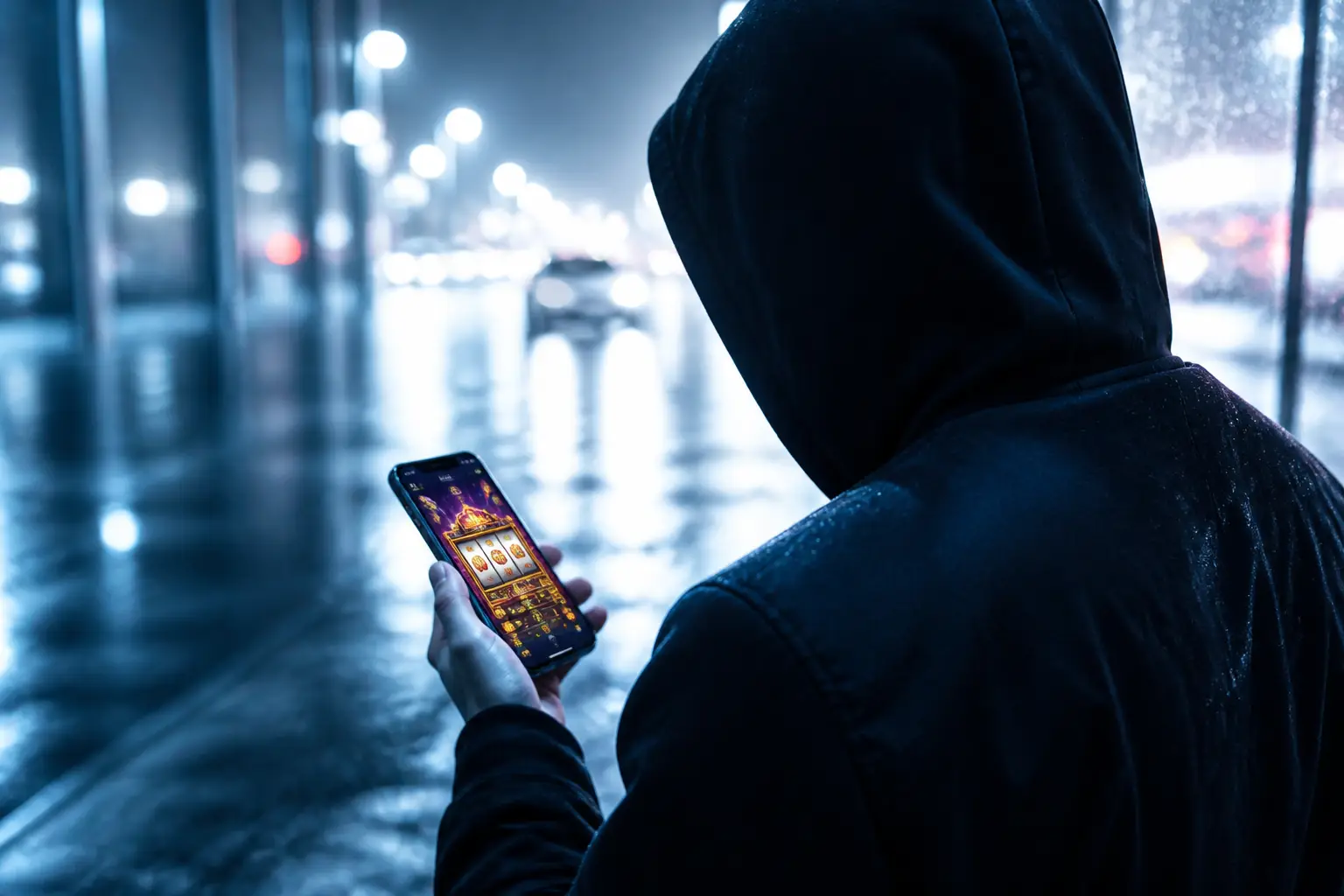
Unlicensed casinos are hijacking brands like Tesco and stars like Lewis Hamilton for fake ads on Meta platforms. Tesco has already alerted the police.
Tesco has alerted the City of London police after becoming the latest victim in a string of companies and sports stars to have its imagery hijacked by unlicensed casinos in fraudulent advertising campaigns on Facebook and Instagram. The supermarket chain, a staple of UK retail since 1919, is among several household names targeted by offshore gambling firms attempting to capitalize on brand recognition. These rogue ads created a false impression that Tesco had launched its own casino services, even featuring slot machines described as being laid out as clearly as the aisles at a Tesco Extra.
Beyond Tesco, the banking giant Barclays and famous figures such as Formula 1 driver Lewis Hamilton and heavyweight boxer Tyson Fury have been targeted. The use of AI technology has made these scams particularly deceptive. One now-deleted advert for Barclays Slots featured an AI-generated woman in a highly inappropriate manner while playing a game on her phone. Other sports stars, including England's Jude Bellingham, Manchester United's Bruno Fernandes, and Manchester City's Erling Haaland, have also seen their likenesses used without consent. One crypto-casino, Rainbet, even employed a lookalike of Haaland acting as a croupier while wearing a Norway national team shirt.
Numbers and facts
The scale of the deception is significant. Tesco, a FTSE 100 company with a 107-year history, found its brand being used to anchor the trust of unsuspecting players. Tyson Fury publicly stated that he has turned down millions from gambling firms in the past and would never promote the industry. Despite these clear disavowals, the ads continued to circulate on Meta-owned platforms. The UK Gambling Commission noted that illegal activity linked to gambling is a serious threat, particularly when trusted brand identities are used to funnel people toward unlicensed products. However, the commission admitted that the unauthorized use of intellectual property technically falls outside its direct remit.
Bejay Patel, Managing Director for UK and Ireland at Entain, which owns legitimate brands like Coral and Gala Bingo, expressed strong concerns about the lack of platform accountability:
"Any casino masquerading as a licensed operator was exploiting British consumers and legitimate businesses alike and paying no taxes, while some of the world's largest technology platforms continue to profit from hosting their adverts." - Bejay Patel, Managing Director UK & Ireland at Entain
Background
Many of these unlicensed sites claim to be based in jurisdictions like Curacao, a well-known haven for gambling companies operating without licenses in major economies. Contacting these entities is nearly impossible; for instance, a contact link on a Tyson Fury-themed site simply displayed the text Silence is golden. Meta has stated it takes down such ads upon notification but generally maintains that the responsibility for regulatory compliance lies with the advertisers rather than the platform itself. Critics are now calling for the UK regulator Ofcom to take a harder line against tech companies that facilitate this fraudulent activity.
Why it matters for German players
For players in Germany, this case serves as a stark warning about the dangers of the black market. The legal situation in Germany is governed by the Interstate Treaty on Gambling 2021 (GlüStV 2021). Only operators listed on the official whitelist of the Joint Gambling Authority of the States (GGL) are permitted to offer their services legally. These licensed casinos must adhere to strict player protection measures, such as the monthly 1,000 Euro deposit limit via the LUGAS system and the 1 Euro maximum stake per spin on virtual slots. Illegal providers, like the fake casinos mentioned in this scam series, bypass these rules entirely. Players using such sites have no legal protection, risk their winnings not being paid out, and put their personal data in the hands of criminals involved in large-scale identity theft. German consumers should be skeptical of any ads featuring unusual celebrity endorsements and always verify the license status in the GGL database.
What it means for GGL-licensed casinos
Legitimate, GGL-licensed casinos suffer greatly from these scams as they erode trust in the entire industry. While legal operators pay taxes and follow strict advertising guidelines, fraudsters operate with impunity. For GGL casinos, this means an increased need for customer education. They must clearly communicate their compliance with high German standards and distance themselves from these deceptive practices. Authorities in Germany are closely monitoring these international developments to prevent similar campaigns from gaining a foothold in the local market and to protect the integrity of licensed providers.
Frequently asked questions
Which well-known brands were hijacked for the casino scam?
The supermarket chain Tesco, Barclays bank, and brands like Coral and Gala Bingo were victims of illegal advertising. The perpetrators use the trust in these established names to lure users to unlicensed gambling sites.
Which sports stars are affected by this identity theft?
The likenesses of Lewis Hamilton, Tyson Fury, Erling Haaland, Jude Bellingham, and Bruno Fernandes were used without permission. The ads often use AI-generated images or lookalikes to suggest an official partnership.
How are the affected companies reacting to the fake ads?
Tesco has contacted the police and the National Cyber Security Centre, while Tyson Fury clarified in a video that he never promotes gambling. The companies are explicitly distancing themselves and attempting to protect their brand rights legally.
Why are these online casinos illegal?
The advertised sites do not hold valid licenses for the markets they target, such as Great Britain. Many of these providers are based in offshore territories like Curacao or Anjouan, thus evading state supervision and tax obligations.
How can I identify if a casino is legal in Germany?
Players in Germany should check if the provider is on the GGL whitelist and follows the GlüStV 2021 rules. Legal casinos offer protection measures like the 1,000 Euro deposit limit and are connected to the OASIS lockout system.
Share
About the author

Lisa Lustich
Editor-in-chief & casino tester
Lisa Lustich has been testing German-language online casinos since 1997 and runs the Lustich.de newsroom. More than 400 published reviews, certified player-protection advisor (BZgA training, 2019).
All articles by Lisa Lustich →Sources & further reading
Whitelist of permitted online operators
Editorial guidelines Lustich.de
BZgA problem-gambling helpline: 0800 1 372 700
Gambling can be addictive. Please play responsibly. Help and counselling at 0800 1 372 700 (BZgA, free & anonymous).
Read this article in 46 languages
- German
- English
- Portuguese
- French
- Italian
- Spanish
- Japanese
- Polish
- Arabic
- Dutch
- Russian
- Turkish
- Swedish
- Danish
- Norwegian
- Finnish
- Korean
- Hindi
- Indonesian
- Thai
- Vietnamese
- Chinese
- Czech
- Hungarian
- Romanian
- Greek
- Ukrainian
- Croatian
- Bulgarian
- Filipino
- Slovak
- Serbian
- Hebrew
- Persian
- Malay
- Urdu
- Albanian
- Afrikaans
- Lithuanian
- Latvian
- Estonian
- Slovenian
- Uzbek
- Swahili
- Azerbaijani
- Hausa
Related topics
Further Reading
 AI-GENERATED
Quebec Election: Online Gambling and Prediction Markets Take Center Stage
Election campaigns in Quebec are heating up as parties propose ending the Loto-Quebec monopoly, potentially unlocking $300 million in annual tax revenue.
 AI-GENERATED
Malaysia Proposes New Regulations for Loot Boxes and In-Game Purchases
The Malaysian CMCF has launched a 45-day public consultation on a new Gaming Sub-Code focusing on loot boxes, Gacha mechanics, and child safety.
 AI-GENERATED
Bulgarian Ad Ban and bet365 Job Cuts Shake European iGaming Market
Bulgaria proposes a near-total ban on gambling ads, while bet365 cuts 340 roles due to tax hikes. The FATF also issued new red flag indicators for money laundering.