
Alberta launches online gambling, regulatory waves in North America
 AI-GENERATED
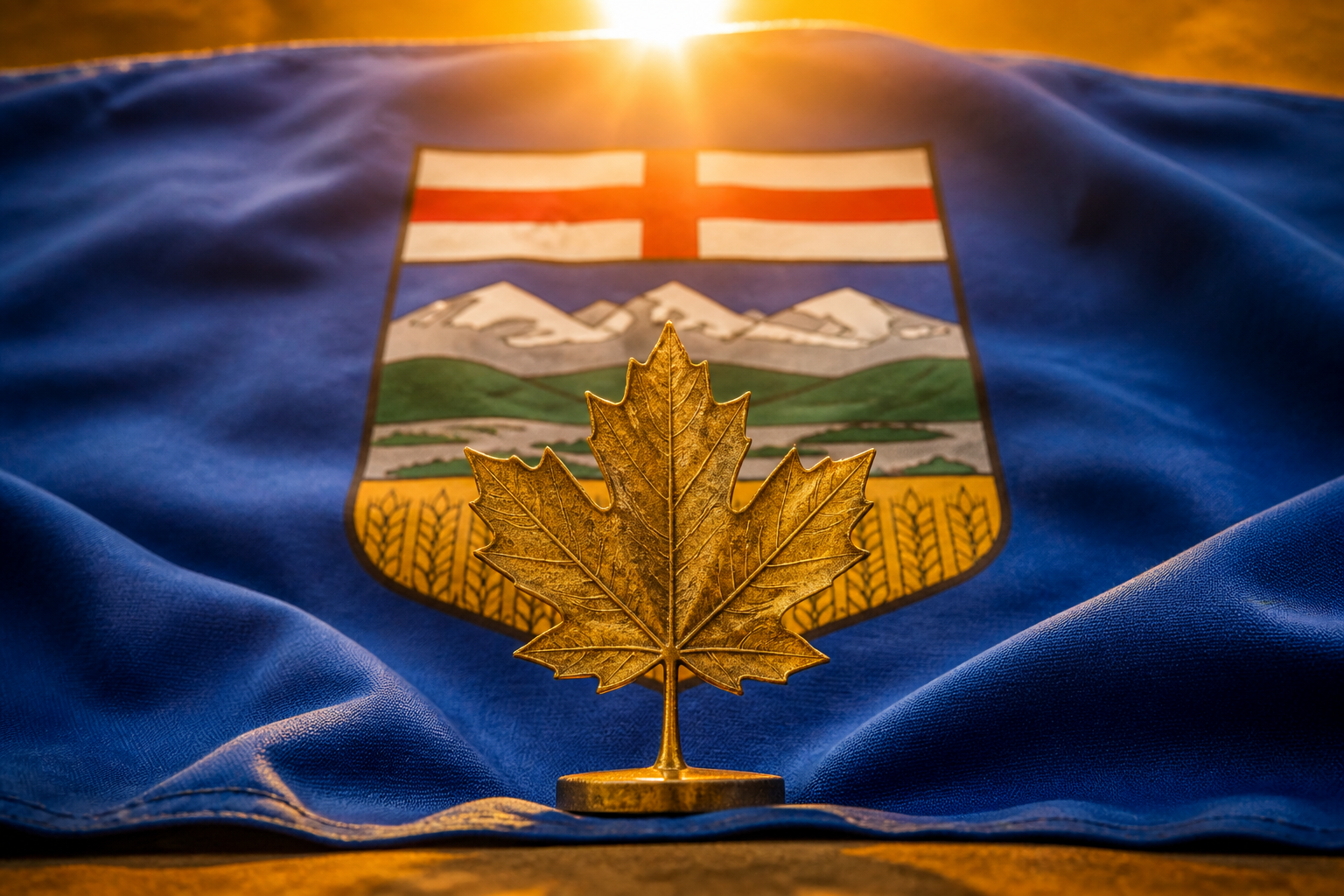
The Canadian province of Alberta opened its regulated online gambling market on July 13. Simultaneously, debates over gambling tax deductions and sweepstakes casino bans are flaring up in the US.
The world of North American online gambling is facing further upheavals. On July 13, the Canadian province of Alberta officially opened its multi-licensed online gambling market, which includes both sports betting and online casinos. This makes Alberta the second Canadian province, after Ontario, to have an open market for online gambling. In parallel, there are important developments in the US: an IRS hearing on gambling loss deductions and a ban on sweepstakes casinos in Maine are coming into effect. The situation of prediction markets remains exciting, as they repeatedly trigger new legal disputes. I am closely monitoring the situation and have gathered all the details for you.
Numbers and facts
Alberta is allowing more than 50 potential operators. Some of the industry's biggest brands, including FanDuel, DraftKings, BetMGM, Caesars, and bet365, are expected to go live on the opening day. A phased rollout is anticipated, as not all registered operators will go live immediately. Meanwhile, the FIFA World Cup has led to a massive surge in trading volumes in the prediction market sector, reaching $50 billion in June. The US Internal Revenue Service (IRS) will hold a public hearing on July 17 concerning the new 90% cap on gambling losses. In Maine, on the other hand, the ban on sweepstakes casinos will take effect on July 15. Many platforms, such as Stake.us and McLuck, have already exited the state.
Background
The launch of Alberta's iGaming market is a milestone for the Canadian gambling industry. It is the first time since 2022 that a Canadian province, after Ontario, has introduced a regulated, open market. This could trigger a domino effect, prompting other provinces to also regulate. Experts from Gaming News Canada predict that Alberta's success will force other Canadian provinces like British Columbia, Manitoba, and Saskatchewan to act, followed by Quebec. Current estimates suggest that nearly half of British Columbia's citizens gamble on unregulated platforms. In Quebec, more than $300 million in tax revenue is lost annually due to gambling on some 2,000 unregulated sites.
Another important aspect is the so-called prediction markets, which are increasingly under pressure in the US. There are a number of ongoing legal disputes. For example, Kalshi, an operator of such markets, was denied a preliminary injunction against state officials in New York. In North Carolina, prediction market operators face a new 6% tax on their revenues. This development could lead to further lawsuits from the Commodity Futures Trading Commission or the operators themselves. Courts in Nevada, Massachusetts, Michigan, and Washington have already granted states' requests to remand prediction market cases back to state court. Gambling Insider's Global Wire Editor, Chavdar Vasilev, is closely following these developments. He emphasizes the importance of regulatory decisions and court rulings for the future of these markets in the US. The IRS hearing on gambling loss deductions could also have far-reaching consequences for players and operators in the US. This hearing is intended to provide more clarity on how the IRS plans to implement the controversial new 90% cap on gambling loss deductions.
"What particularly interests me are the comments from tax professionals and other stakeholders participating in the IRS hearing, and whether there are any indications of how the IRS intends to interpret and implement the 90% cap on gambling losses." - Chavdar Vasilev, Global Wire Editor at Gambling Insider
Why it matters for German players
For German players, these developments in North America have no direct impact on domestic regulation. The German Interstate Treaty on Gambling 2021 (GlüStV 2021) has created a clear framework for online gambling in Germany. Only providers with a German license from the Joint Gambling Authority of the Federal States (GGL) are permitted in Germany. Players can find these licensed websites on the so-called GGL whitelist. In contrast to the prediction markets discussed in North America, which are not explicitly regulated in Germany, and the sweepstakes casinos banned in Maine, which play no role here, the offering of slots and online poker is strictly monitored. This includes the deposit limit of 1,000 euros per month and the stake limit of 1 euro per spin on online slot machines. Furthermore, the central self-exclusion system LUGAS ensures player protection. Therefore, anyone who wants to play legally and safely in Germany should definitely pay attention to German licensing. All other offers, including those licensed abroad by the MGA or in Curacao, are not permitted in Germany and do not offer comparable player protection.
What it means for GGL-licensed casinos
For online casinos licensed in Germany, these international developments mean neither a relaxation nor a tightening of existing regulations. The GGL consistently monitors compliance with the GlüStV 2021. The discussions in Canada and the US show that regulatory authorities worldwide are striving to channel online gambling and improve player protection. However, experiences from other markets could long-term influence the further development of German gambling law. The focus for GGL casinos remains on responsible gambling, the prevention of gambling addiction, and transparent compliance with all requirements. The fact that large international players are allowed to go live in Alberta at once shows that there are other regulatory approaches, but these currently play no role for the German market.
Frequently asked questions
When and where did the regulated online gambling market in Alberta launch?
The Canadian province of Alberta officially opened its regulated online gambling market on July 13. This makes Alberta the second Canadian province, after Ontario, to have such a market for sports betting and online casinos.
Which major gambling brands are expected in Alberta?
Among the expected operators are industry giants such as FanDül, DraftKings, BetMGM, Caesars, and bet365. These brands are anticipated to have a significant presence in the new market.
What are Prediction Markets and what developments are occurring in the US?
Prediction markets are platforms where bets are placed on future events. In the US, they are facing pressure from legal disputes and potential taxes, while the FIFA World Cup led to a trading volume of $50 billion in June.
What is the significance of the IRS hearing on gambling losses in the US?
The US tax authority IRS will hold a public hearing on July 17 regarding the new 90% cap on the deductibility of gambling losses. This hearing aims to provide clarity on the implementation and interpretation of this rule.
What do the developments in North America mean for players in Germany?
For German players, these developments have no direct impact on the local regulation governed by the State Treaty on P<0xC3><0xBC>ckspiel 2021 and the GGL. In Germany, players should exclusively use providers with a German license found on the GGL whitelist.
How does the situation in Alberta affect German GGL casinos?
International developments in Alberta do not directly affect the regulations for online casinos licensed in Germany. The GGL continues to monitor compliance with the GlüStV 2021, and other regulatory approaches from abroad are not currently relevant to the German market.
Share
About the author

Lisa Lustich
Editor-in-chief & casino tester
Lisa Lustich has been testing German-language online casinos since 1997 and runs the Lustich.de newsroom. More than 400 published reviews, certified player-protection advisor (BZgA training, 2019).
All articles by Lisa Lustich →Sources & further reading
- Joint Gambling Authority of the German Federal States (GGL): gluecksspiel-behoerde.de
- Whitelist of permitted online operators: GGL-Whitelist
- BZgA problem-gambling helpline: 0800 1 372 700 (free, anonymous, 24/7)
- Editorial methodology: Editorial guidelines Lustich.de
 Canada
Gambling can be addictive. Please play responsibly. Help and counselling at 0800 1 372 700 (BZgA, free & anonymous).
Read this article in 56 languages
- German
- English
- Portuguese
- French
- Italian
- Spanish
- Japanese
- Polish
- Arabic
- Dutch
- Russian
- Turkish
- Swedish
- Danish
- Norwegian
- Finnish
- Korean
- Hindi
- Indonesian
- Thai
- Vietnamese
- Chinese
- Czech
- Hungarian
- Romanian
- Greek
- Ukrainian
- Croatian
- Bulgarian
- Filipino
- Slovak
- Hebrew
- Persian
- Malay
- Bangla
- Tamil
- Telugu
- Urdu
- Georgian
- Khmer
- Albanian
- Kazakh
- Afrikaans
- Lithuanian
- Latvian
- Estonian
- Slovenian
- Uzbek
- Swahili
- Azerbaijani
- Amharic
- Tajik
- Kyrgyz
- Sinhala
- Hausa
- Nepali
Related topics
Further Reading
 AI-GENERATED
High Street Hostility: PM Andy Burnham Declares War on British Betting Shops
British Prime Minister Andy Burnham has launched a crackdown on retail gambling. Major operators like Betfred are responding by cutting 600 jobs and closing 132 locations.
 AI-GENERATED
SiGMA World Secures Permanent Headquarters in Limassol for Global Growth
Industry giant SiGMA World acquires a new office building in Cyprus to provide a permanent home base for its growing international team.
 AI-GENERATED
Almaty Resistance: Massive Casino Project Sparks Outrage in Kazakhstan
The government plans a mega-resort by 2028 near Almaty. Residents protest the project, which includes 1,500 villas and targets $6 million in annual tax per casino.