US Congress Debates Prediction Markets: Over 25 Bills Circulating
 AI-GENERATED
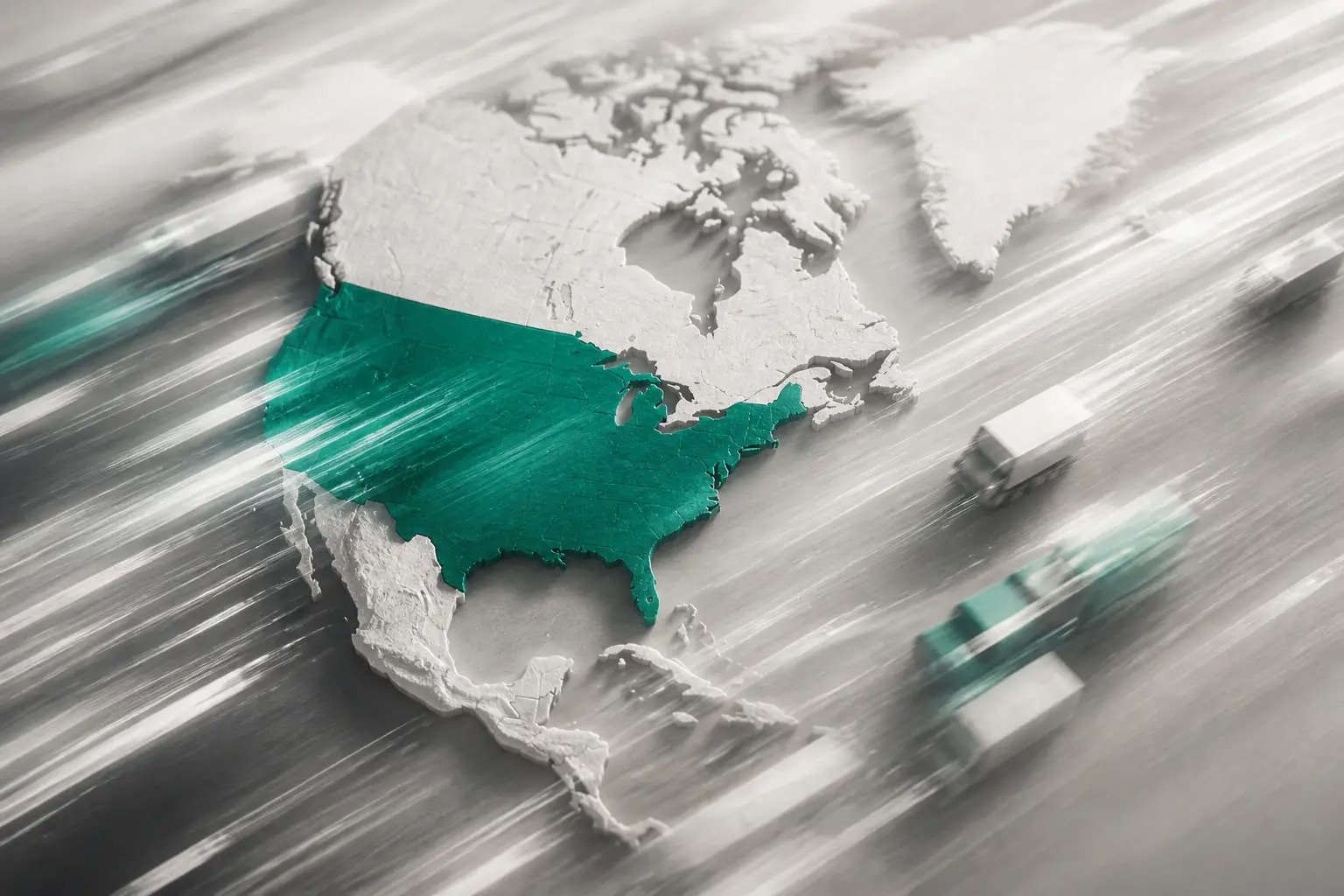
The US Congress is grappling with the regulation of prediction markets. More than 25 proposed bills show growing attention, but a consensus seems yet to be found.
In the United States, activity regarding prediction markets is bustling. More than two dozen bills are currently circulating in Congress. This indicates that the topic is high on the agenda. However, there is no consensus on how to deal with these forms of betting. Legal experts speak of growing attention but no real agreement.
What happened
US parliamentarians have introduced over 25 different legislative proposals on prediction markets. This is an astonishingly high number. Normally, such a flood of drafts indicates an urgent need for regulation. In this case, however, it rather signifies fragmentation. Each draft takes a slightly different approach. The lack of a unified line is obvious. Our editorial team has been observing the phenomenon of prediction markets for some time. It is a niche product that keeps appearing, especially in political contexts. The debate surrounding these markets is far more than just a struggle for gambling regulation. It's about freedom of speech, information distribution, and ultimately, trust in democratic processes. I believe this is the deeper reason why so many politicians are addressing it.
Background
Prediction markets allow participants to bet on the outcome of future events. These can be election results, but also economic indicators or product launches. Unlike sports betting, these often involve broader societal issues. Proponents see them as a useful tool for information aggregation. They argue that the collective wisdom of the crowd often provides more accurate predictions than many experts. Critics, on the other hand, fear manipulation. They also see the danger that such markets could lead to a commercialization of political or social events. They also point to potential moral dilemmas, for example, when betting on disasters or terrorist attacks. In the US, the regulation of such markets often falls into a gray area between gambling and financial instruments. This makes things even more complicated. Some advocate strict oversight by gambling authorities. Others argue for classification as a financial product, which would then fall under the jurisdiction of authorities like the Commodity Futures Trading Commission (CFTC). This regulatory dilemma is a major reason for the many inconsistent legislative drafts. It's a classic in legislation: new technologies require new rules, but no one agrees on who should be responsible. This is sometimes similar in Germany when it comes to the internet. Here, it usually takes even longer. We know this all too well from our years of experience.
Why it matters for German players
For German players, this development in the US has no direct impact on access to GGL-regulated online casinos. Platforms like Jackpotpiraten, Tipwin, Crazybuzzer, Merkur-Slots, or Löwen Play offer classic casino games. They have nothing to do with these complex prediction markets. These casinos operate under the strict supervision of the Gemeinsame Glücksspielbehörde der Länder (GGL). The GGL ensures that player protection and transparency come first. Prediction markets, as discussed in the US, are largely unknown or unregulated in Germany. This means that German players will not find legal, licensed offerings here. Should a provider nevertheless advertise such markets, this would be a clear violation of German gambling law. Such offers are highly risky and not recommended. We constantly warn against unlicensed providers. Whether MGA or Curacao licenses, they do not count for German players. Player protection there is often insufficient. Our focus is clearly on the safety and legality of gambling in Germany.
What it means for GGL-licensed casinos
For GGL-licensed casinos like Jackpotpiraten or Crazybuzzer, the US debate changes nothing. Their business models are based on slot machines, roulette, blackjack, and similar offerings. They are strictly regulated and subject to German laws. Prediction markets are an entirely different field. The current landscape in Germany does not provide for the approval of such markets. Thus, German providers remain unaffected by this discussion. The GGL focuses on compliance with existing rules for online casinos. It ensures safe and responsible gaming operations. We see no indication that this could change in the foreseeable future. German players can continue to rely on a regulated and safe gaming experience at licensed providers such as Merkur-Slots or Löwen Play. That is the most important thing. Other countries have different problems. And that's a good thing. Here, the rules are clear. Our German market is so stable, it's worth its weight in gold.
Frequently asked questions
How many bills regarding prediction markets are currently circulating in the US Congress?
Currently, more than 25 different bills concerning prediction markets are circulating in the US Congress. This high number indicates an urgent need for regulation, but also a division among lawmakers.
What are prediction markets and how do they work?
Prediction markets allow participants to bet on the outcome of future events such as election results or economic indicators. Proponents see them as a useful tool for information aggregation, while critics fear manipulation risks and commercialization.
Why is the regulation of prediction markets in the US complicated?
In the US, regulation often falls into a gray area between gambling and financial instruments. There are differing views on whether these markets should be regulated by gambling authorities or financial regulatory bodies like the CFTC, leading to inconsistent legislative proposals.
What is the significance of the US debate on prediction markets for German players?
The developments in the US have no direct impact on German players seeking access to GGL-regulated online casinos. Platforms like Jackpotpiraten or Tipwin offer classic casino games under the strict supervision of the GGL and have nothing to do with prediction markets.
Are there legal prediction markets in Germany?
Prediction markets are largely unknown or unregulated in Germany, and German players will not find any legal, licensed offerings here. Providers advertising such markets violate German gambling law, and such offers are risky and not recommended.
Share
About the author

Lisa Lustich
Editor-in-chief & casino tester
Lisa Lustich has been testing German-language online casinos since 1997 and runs the Lustich.de newsroom. More than 400 published reviews, certified player-protection advisor (BZgA training, 2019).
All articles by Lisa Lustich →Sources & further reading
Whitelist of permitted online operators
Editorial guidelines Lustich.de
BZgA problem-gambling helpline: 0800 1 372 700
 United States
Gambling can be addictive. Please play responsibly. Help and counselling at 0800 1 372 700 (BZgA, free & anonymous).
Read this article in 56 languages
- German
- English
- Portuguese
- French
- Italian
- Spanish
- Japanese
- Polish
- Arabic
- Dutch
- Russian
- Turkish
- Swedish
- Danish
- Norwegian
- Finnish
- Korean
- Hindi
- Indonesian
- Thai
- Vietnamese
- Chinese
- Czech
- Hungarian
- Romanian
- Greek
- Ukrainian
- Croatian
- Bulgarian
- Filipino
- Slovak
- Hebrew
- Persian
- Malay
- Bangla
- Tamil
- Telugu
- Urdu
- Georgian
- Khmer
- Albanian
- Kazakh
- Afrikaans
- Lithuanian
- Latvian
- Estonian
- Slovenian
- Uzbek
- Swahili
- Azerbaijani
- Amharic
- Tajik
- Kyrgyz
- Sinhala
- Hausa
- Nepali
Related topics
Further Reading
 AI-GENERATED
Australia Bans Gambling Logos on Jerseys but Allows Transition Until 2032
The Australian government has legislated a ban on gambling logos on sports jerseys, yet a transition period allows them to remain until 2032.
 AI-GENERATED
Belarus Drafts Legislation for Total Ban on Online Gambling Advertising
Authorities in Belarus have proposed a bill to ban the promotion of gambling online. The draft includes prohibitions on using human images and bonus details.
 AI-GENERATED
EU iGaming Weekly: Denmark Blocks Polymarket and Ireland Tightens AML Rules
Denmark blocks 98 domains while Ireland prepares strict AML mandates for 2027. Dutch data reveals 18-year-olds account for 41% of new young adult accounts.