
Pennsylvania Budget Passed: Skill Games Unregulated, Seizures Loom
 AI-GENERATED
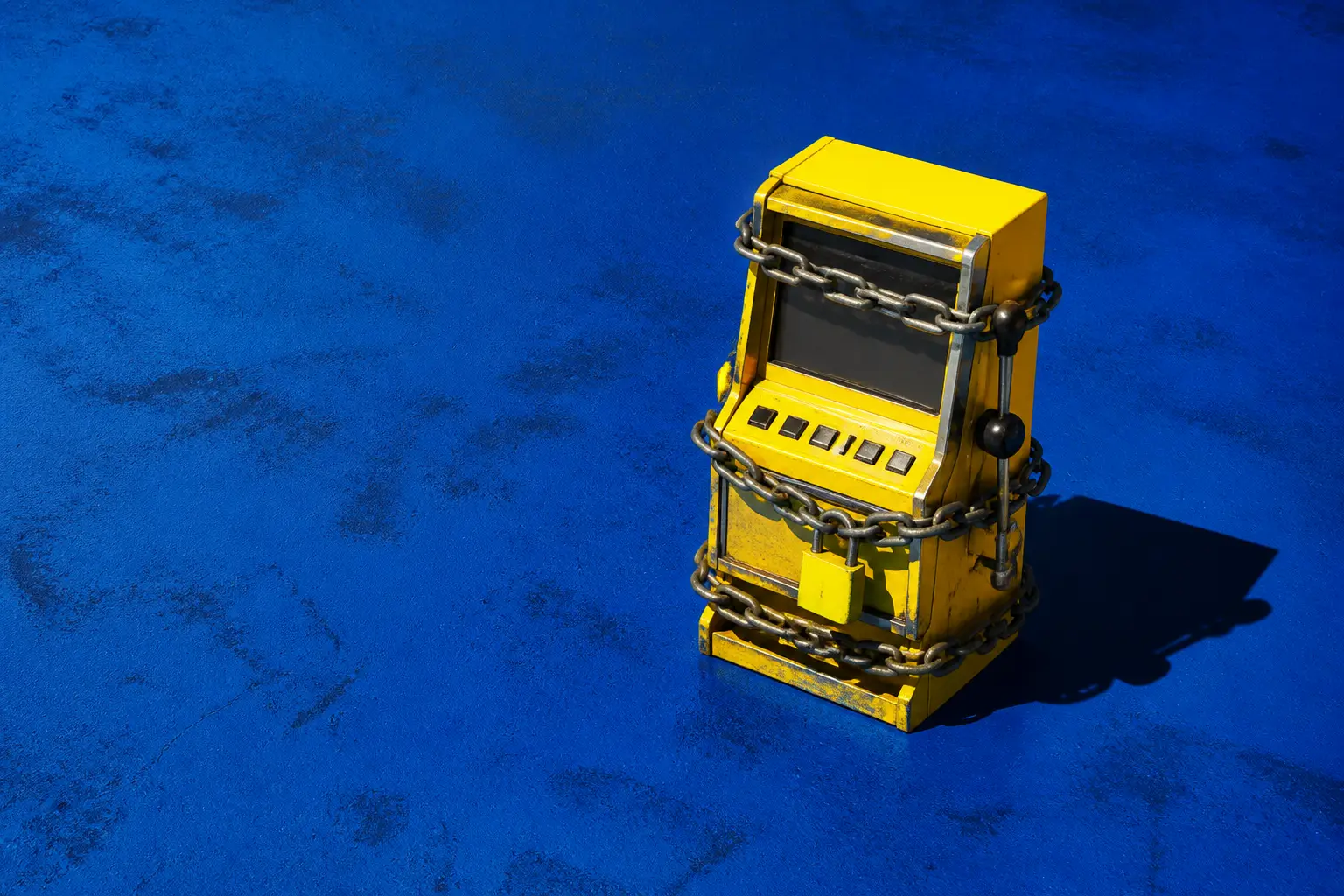
Pennsylvania passed a $50.8 billion state budget for the fifth consecutive year, but the issue of skill games remains unresolved. This leaves an anticipated revenue of $8 billion over five years in question.
Pennsylvania remains in a difficult situation. The U.S. state has approved its 2026 and 2027 budget after lengthy consultations. However, a major issue remains unresolved: the regulation of skill games. Now, thousands of small businesses face potential losses, and their devices could soon be seized.
This is a mess that has been brewing for months. Governor Josh Shapiro signed the $50.8 billion budget, but there is no legislation for the controversial machines included in it. The Pennsylvania Supreme Court recently declared skill games illegal due to a lack of suitable legal framework. Lawmakers now have until October 13 to resolve the issue. Otherwise, bars, restaurants, gas stations, and other establishments could face visits from law enforcement seizing these devices.
Numbers and facts
The budget amounts to $50.8 billion. Governor Shapiro had proposed a 52 percent tax rate on skill games in February. This measure was estimated to generate about $8 billion in revenue over the next five years. However, opinions differ: Senator Gene Yaw suggests a 16 percent tax rate, while Senator Chris Gebhard calls for 35 percent. Representative Kerry Benninghoff, on the other hand, wants no additional taxes at all. Representative Danilo Burgos is considering monthly fees and state-wide limits on the number of machines. The casino industry prefers a 54 percent tax rate, as applied to retail slot machines. The Supreme Court has set a deadline of October 13 for implementing regulation.
Background
Skill games have rapidly grown in popularity across Pennsylvania over the past decade. They resemble slot machines but are said to require some level of player skill. This is precisely where the conflict lies. Proponents view them as a crucial source of revenue for small businesses and community organizations. Opponents argue they are too similar to regular casino games but operate without corresponding taxation and oversight. Manufacturers, such as Pace-O-Matic, are lobbying for a lower tax structure. Many small businesses, from bars to convenience stores, rely on the supplementary income generated by these machines. The current uncertainty is a genuine burden for them. This is also evident in Pace-O-Matic's statement:
"We are focused on supporting legislation that lifts up our small businesses and fraternal clubs with solutions that allow them to continue to operate skill games and earn this important supplemental revenue." - Pace-O-Matic told PlayPennsylvania in June.
Why it matters for German players
This development in Pennsylvania might seem distant at first glance. However, it exemplifies the challenges of regulating new forms of gambling. In Germany, since the State Treaty on Gambling 2021 (GlüStV 2021), we have a clear direction. The Joint Gambling Authority of the Federal States (GGL) licenses and supervises online gambling providers. Players in Germany can rely on a secure framework when playing with a GGL-licensed provider. This includes strict rules such as a 1 Euro per spin limit on online slots, a monthly deposit limit of 1,000 Euros via the LUGAS system, and comprehensive player protection measures. The German market is tightly regulated to protect players from the dangers of excessive gambling. Providers without a German license, for instance from Malta (MGA) or Curaçao, operate outside this framework and cannot offer the same level of security.
What it means for GGL-licensed casinos
For GGL-licensed casinos in Germany, the situation in Pennsylvania primarily confirms their own regulated path. German authorities have deliberately opted for a comprehensive legal framework designed to avoid gray areas like skill games from the outset. This creates planning certainty for operators and trust for players. The debate in the U.S. underscores the need for clear laws to secure state revenues, protect players, and prevent the proliferation of unregulated offerings. Where there is no license, there is no security. This applies even more strongly in Pennsylvania as well as in Germany. While German GGL requirements may seem strict to some players, they serve the overarching goal of a responsible gambling market. Casinos on the GGL whitelist thus offer a clear advantage over providers who do not adhere to these high standards.
Frequently asked questions
What are skill games and why are they controversial in Pennsylvania?
Skill games are devices that resemble slot machines but are intended to require a certain level of skill. They are controversial because opponents argue they are too similar to casino games and operate without appropriate taxation and oversight.
What financial revenue did Pennsylvania expect from skill games?
Governor Josh Shapiro proposed a 52 percent tax rate on skill games, which was estimated to generate around 8 billion US dollars in revenue over the next five years.
What deadline was set for the regulation of skill games in Pennsylvania?
The Supreme Court of Pennsylvania has given lawmakers a deadline of October 13th to find a solution for the regulation of skill games.
What are the potential consequences if skill games are not regulated by October 13th?
If no regulation is in place by the deadline, thousands of small businesses could face revenue losses, and the skill game machines could be confiscated by the police.
How does the situation with skill games in Pennsylvania differ from gambling regulation in Germany?
In Germany, the State Treaty on Gambling 2021 (GlüStV 2021) regulates the gambling industry, and the Joint Gambling Authority of the Länder (GGL) licenses and supervises providers. This creates a clear, secure framework for players, unlike the unclear conditions for skill games in Pennsylvania.
What does the situation in Pennsylvania mean for players in Germany who use GGL-licensed providers?
The situation in Pennsylvania confirms the need for clear laws, as established in Germany by the GlüStV 2021 and the GGL. Players in Germany benefit from a secure legal framework with strict protective measures from providers with a German license.
Share
About the author

Lisa Lustich
Editor-in-chief & casino tester
Lisa Lustich has been testing German-language online casinos since 1997 and runs the Lustich.de newsroom. More than 400 published reviews, certified player-protection advisor (BZgA training, 2019).
All articles by Lisa Lustich →Sources & further reading
- Joint Gambling Authority of the German Federal States (GGL): gluecksspiel-behoerde.de
- Whitelist of permitted online operators: GGL-Whitelist
- BZgA problem-gambling helpline: 0800 1 372 700 (free, anonymous, 24/7)
- Editorial methodology: Editorial guidelines Lustich.de
 United States
Gambling can be addictive. Please play responsibly. Help and counselling at 0800 1 372 700 (BZgA, free & anonymous).
Read this article in 56 languages
- German
- English
- Portuguese
- French
- Italian
- Spanish
- Japanese
- Polish
- Arabic
- Dutch
- Russian
- Turkish
- Swedish
- Danish
- Norwegian
- Finnish
- Korean
- Hindi
- Indonesian
- Thai
- Vietnamese
- Chinese
- Czech
- Hungarian
- Romanian
- Greek
- Ukrainian
- Croatian
- Bulgarian
- Filipino
- Slovak
- Hebrew
- Persian
- Malay
- Bangla
- Tamil
- Telugu
- Urdu
- Georgian
- Khmer
- Albanian
- Kazakh
- Afrikaans
- Lithuanian
- Latvian
- Estonian
- Slovenian
- Uzbek
- Swahili
- Azerbaijani
- Amharic
- Tajik
- Kyrgyz
- Sinhala
- Hausa
- Nepali
Related topics
Further Reading
 AI-GENERATED
US Illegal Gambling Market Hits $97.4bn in 2025 Despite Regulation
A new GCI study reveals that unlicensed gambling sites now command 77% of the US online market, with $97.4bn in annual revenue.
 AI-GENERATED
Brazil's Supreme Court Evaluates Landmark 1941 Gambling Prohibition Case
The Brazilian Supreme Federal Court is reviewing the constitutionality of gambling bans, a decision that will impact approximately 2,700 pending legal cases nationwide.
 AI-GENERATED
US Regulator Warns of Prediction Market Fragmentation by Individual States
CFTC Chairman Michael Selig criticizes state-level regulation attempts like New York’s $36 billion lawsuit against Kalshi, calling it a threat to the national market.